Bulk-material projects in Vietnam use different hauling equipment for very different ground conditions, haul distances and discharge methods. A tracked dumper, a rigid dump truck and a dump semi-trailer may all carry loose material, but their running gear and vehicle architecture give them different working roles. Belt discharge introduces another distinction: it describes how material leaves the body, not how the vehicle travels.
Separating those two functions makes the comparison useful. Tracks and tyres concern the vehicle's contact with the ground. Tipping and conveyor discharge concern movement of material out of the body. A road-going trailer can have a conveyor floor without becoming a tracked construction machine.
Tracked Running Gear on Difficult Ground
A tracked dumper is generally a self-propelled carrier with a load body mounted above its tracked undercarriage. Its tracks spread the machine's weight across an extended ground-contact area. That arrangement can reduce average ground pressure and assist movement on soft work surfaces compared with a smaller contact footprint carrying the same weight.
This makes tracked carriers relevant to short movements around earthworks, temporary access areas and sensitive ground. Their value comes from mobility close to the work face, where the condition of the surface can dominate the transport task. The track arrangement remains subject to the machine's own operating limits.
Ground contact does not determine unloading by itself. A tracked machine still needs a body and discharge mechanism suited to its load. Describing the undercarriage therefore answers a different question from describing whether the body tips or uses another unloading arrangement.
Rigid Trucks and Tractor-Trailer Combinations
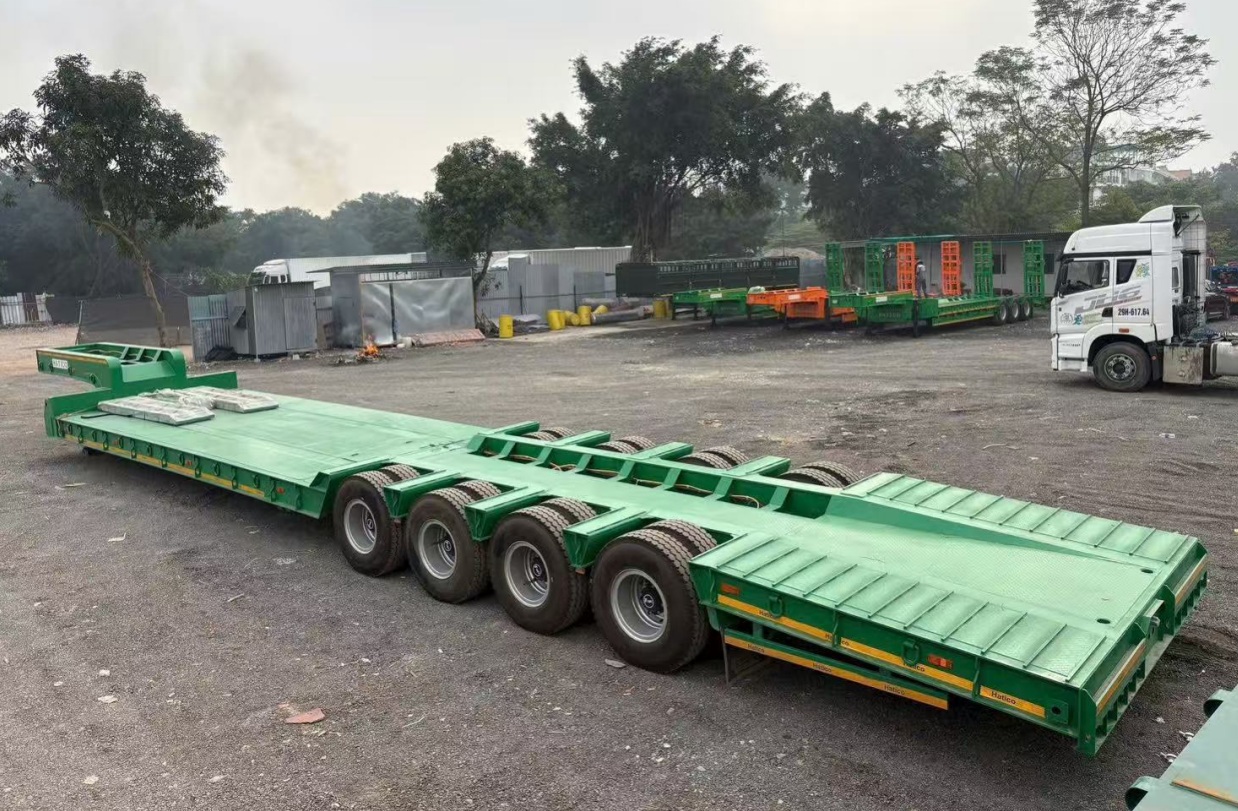
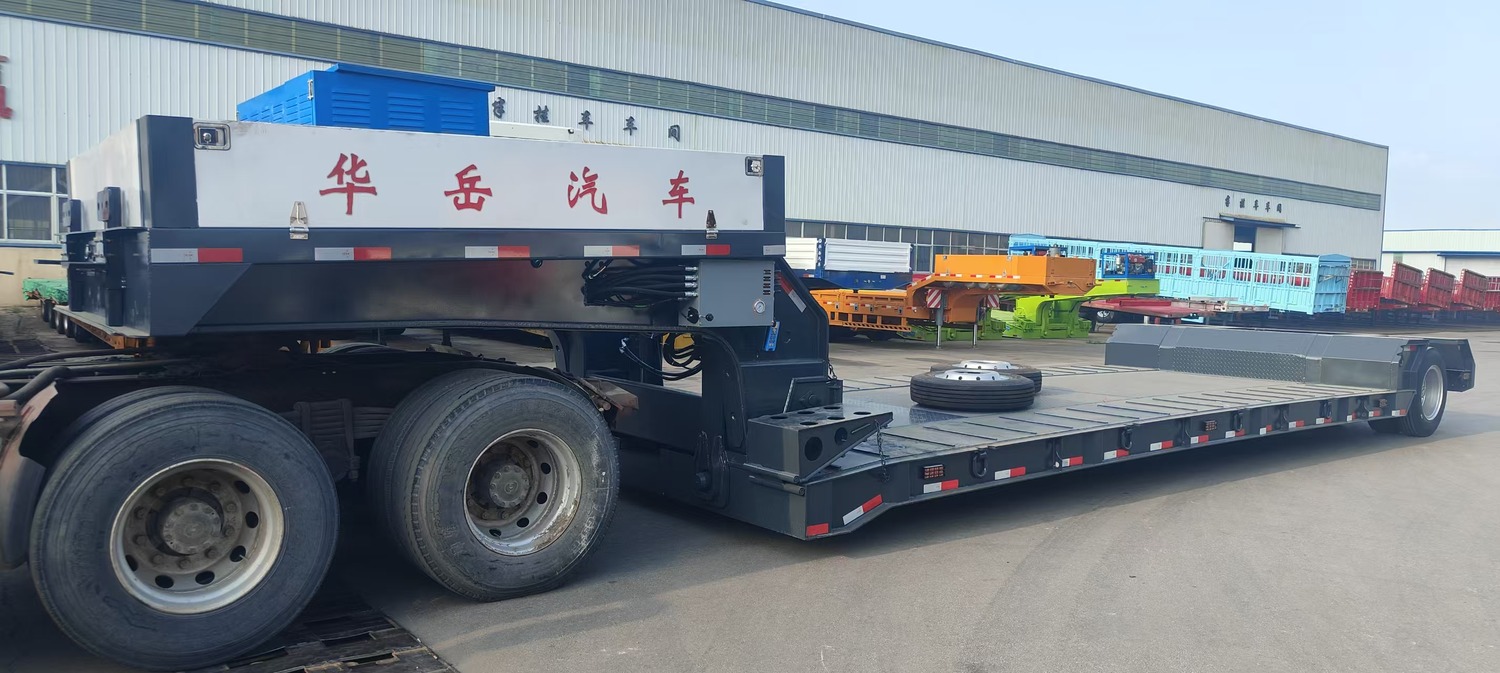
A rigid dump truck combines the cab, powertrain and load body on one vehicle chassis. Its wheelbase and body arrangement form a single handling unit. This architecture differs from a semi-trailer, whose front load is supported through the tractor connection and whose rear load is supported by its own running gear.
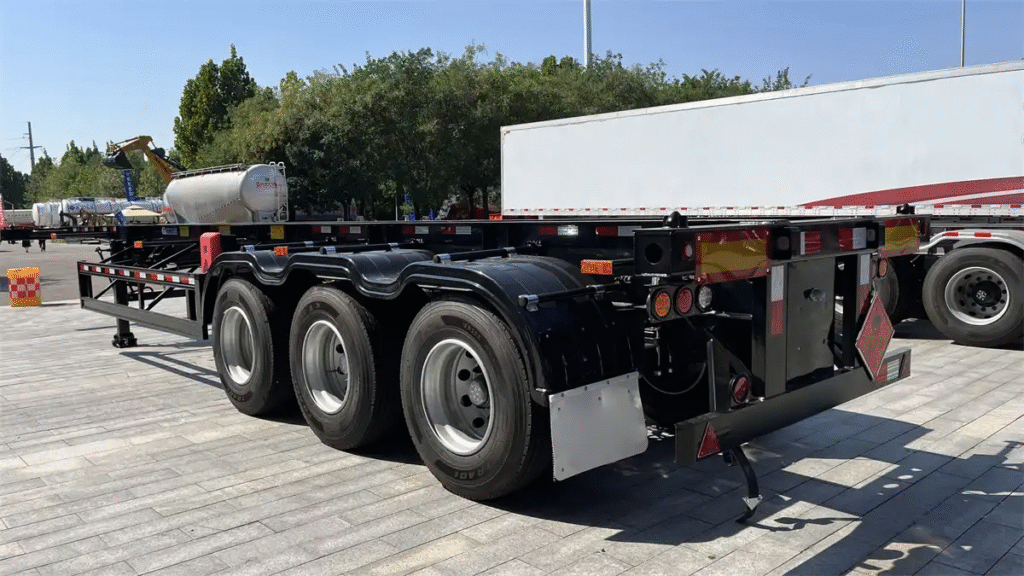
The articulated combination introduces a pivot between tractor and trailer. During a turn, the rear trailer wheels follow a different path from the tractor's front wheels. Access to a loading area therefore depends on the space occupied by the complete combination, not just on the width of the body.
Semi-trailers serve material movements linking loading locations, haul routes and receiving areas. The tractor supplies traction and steering at the front, while the trailer contains and supports the cargo. The useful comparison is the complete transport arrangement rather than body volume alone.
Rear Tipping Changes the Body's Position
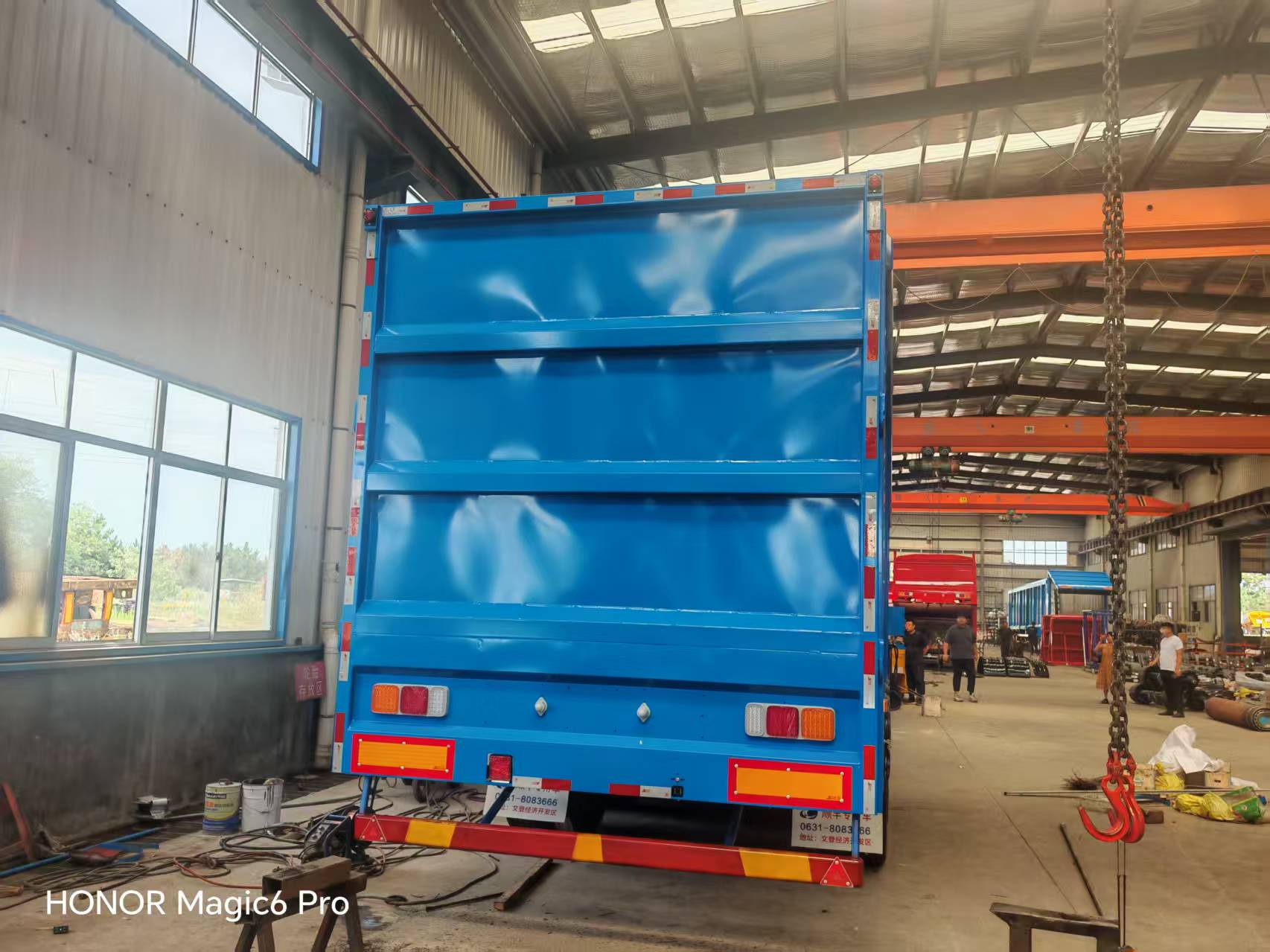
A rear-dump semi-trailer releases material by raising the front of its body around a rear pivot. The inclined floor lets suitable loose material move toward the rear opening. The tipping cylinder and hinges create that movement, while the opening provides the exit path.
As the body rises, the load's position changes. Material that remains stuck to one side can create a different loading condition from material that flows evenly. Ground support and the behaviour of the cargo therefore remain important throughout the unloading action.
The raised body also occupies space above its travelling position. That makes tipping geometry relevant at receiving points with overhead structures or restricted clearance. The transport height and the unloading height are different parts of the vehicle's working envelope.
Belt Discharge Moves the Load at Floor Level
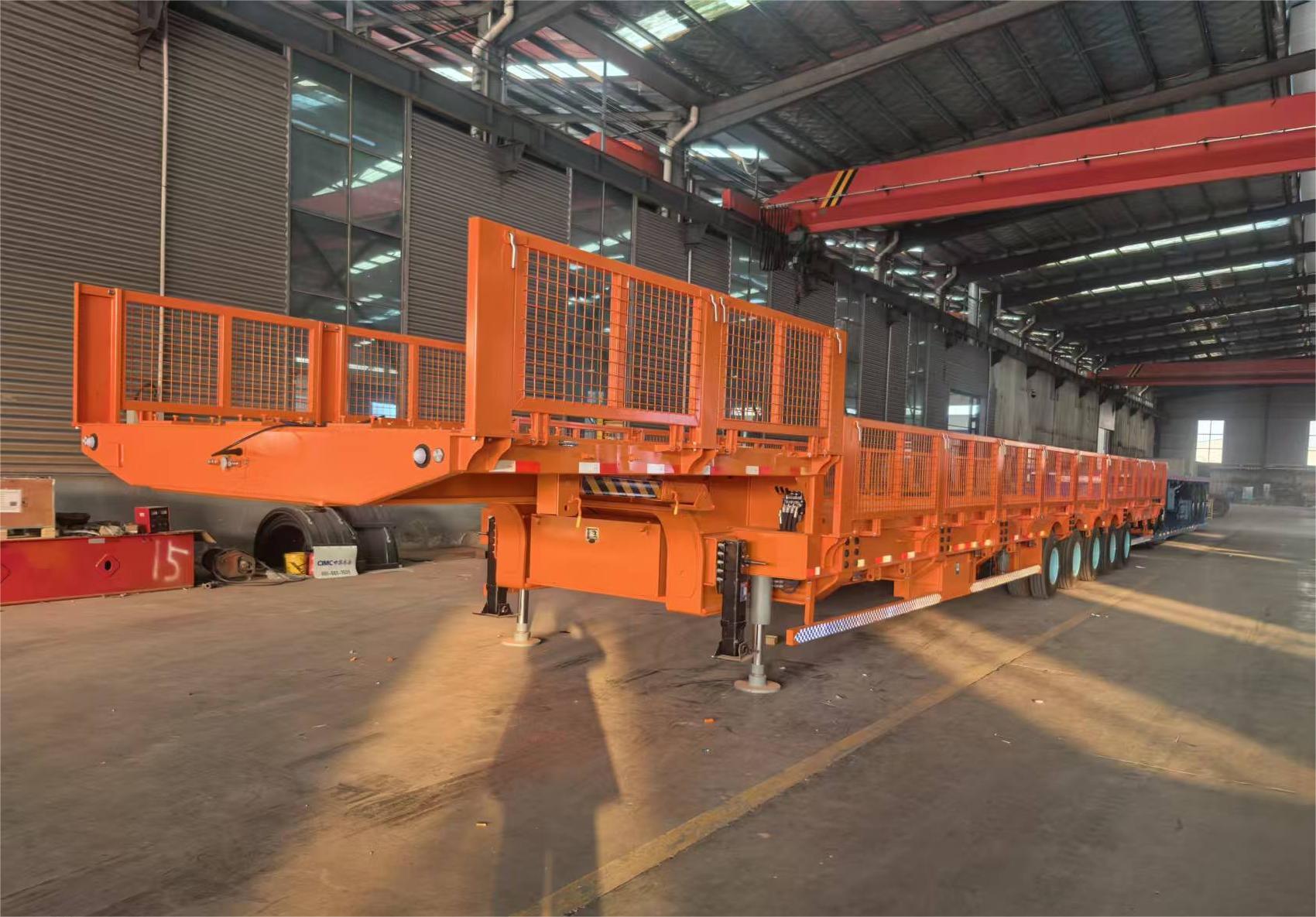
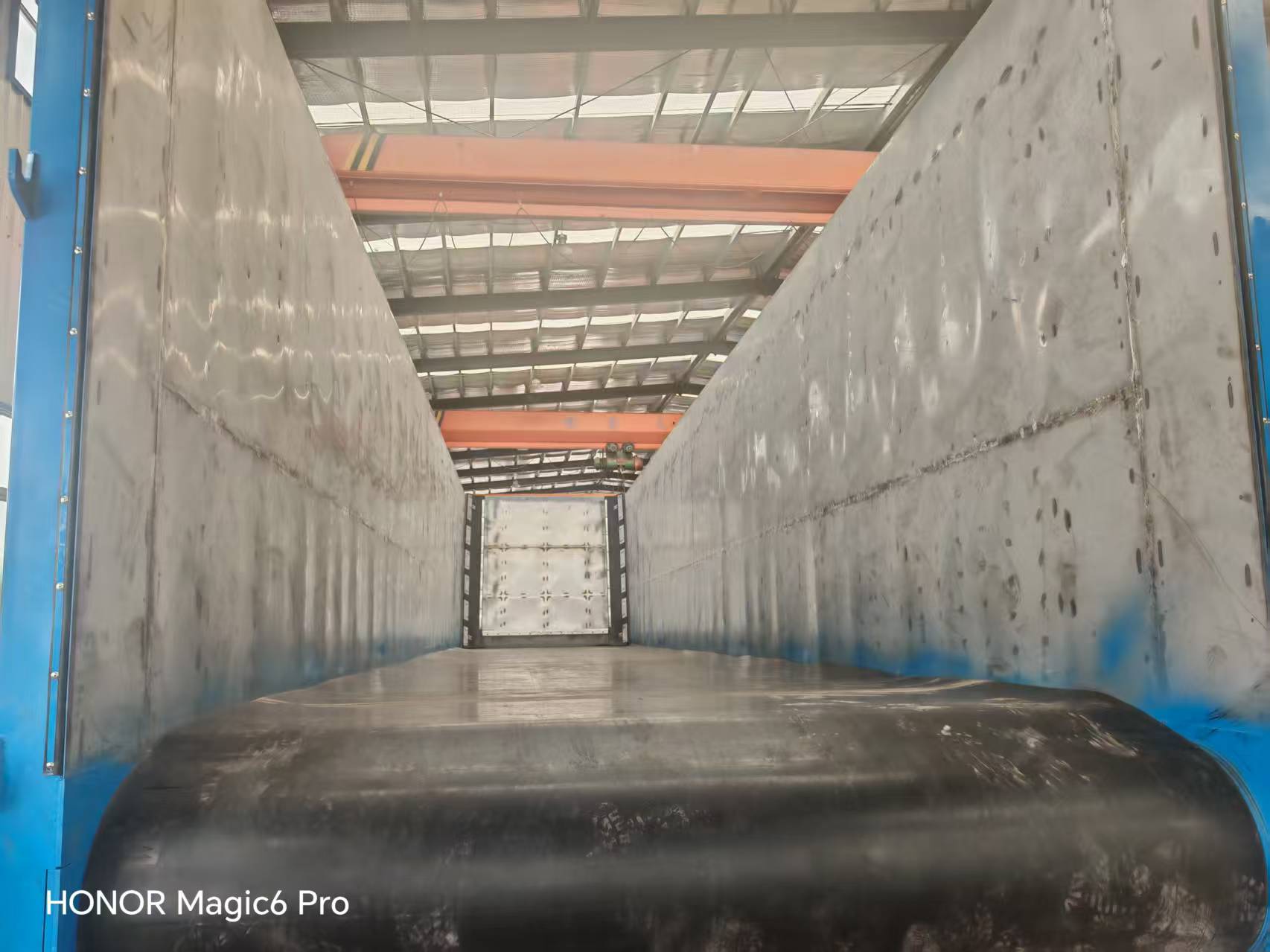
A belt-discharge semi-trailer moves material through a conveyor-based floor arrangement. The body stays down while the mechanism carries the load toward the outlet. Compared with rear tipping, the main change is the way movement is generated inside the body.
This approach can serve receiving arrangements where horizontal discharge is useful. The outlet still needs sufficient clearance, and the material must be compatible with the floor and drive system. Keeping the body down does not compensate for weak ground or an obstructed unloading area.
The conveyor also creates its own service requirements. Abrasive particles contact moving components, while sticky material can build up around the discharge path. The technical benefit and the maintenance burden come from the same feature: the floor actively moves the cargo instead of remaining stationary during a body lift.
Matching the Machine to the Haul Pattern
A project may contain both difficult work-face ground and established routes between sites. A tracked carrier can address the first task, while a wheeled transport combination can serve another part of the material flow. These roles can complement each other without making either vehicle a universal replacement for the other.
Cargo behaviour adds a second layer to that distinction. Dense material can reach the allowable mass before filling a body, while lighter material may use more of the available volume. Moisture and particle shape can also change discharge behaviour even when the vehicle remains the same.
The clearest explanation therefore connects three things: the running gear with the ground, the body with the cargo, and the unloading mechanism with the receiving point. For Vietnam material-hauling applications, those relationships describe the work more accurately than treating every dump vehicle as one category.
Frequently Asked Questions
Can a conveyor trailer travel on tracks?
The conveyor floor does not provide ground propulsion. A belt-discharge semi-trailer travels on its road wheels as part of a tractor-trailer combination.
Why does a semi-trailer need more than a body-width comparison?
The tractor and trailer articulate during turns. Wheel paths and rear overhang contribute to the space occupied by the combination around corners.
Does belt discharge remove all unloading stability concerns?
No. It avoids raising the body, but ground strength, slope, load distribution and operating conditions still affect the vehicle during unloading.
Can equal body volumes carry different cargo masses?
Yes. Materials have different bulk densities. Volume describes space, while the actual load must remain within the vehicle's applicable mass limits.
Discuss Your Trailer Application
Share your cargo or equipment details, transport route and destination market with HUAYUE for a configuration discussion tailored to the intended application.
Interested in this case?
Contact Us for a Technical Consultation.