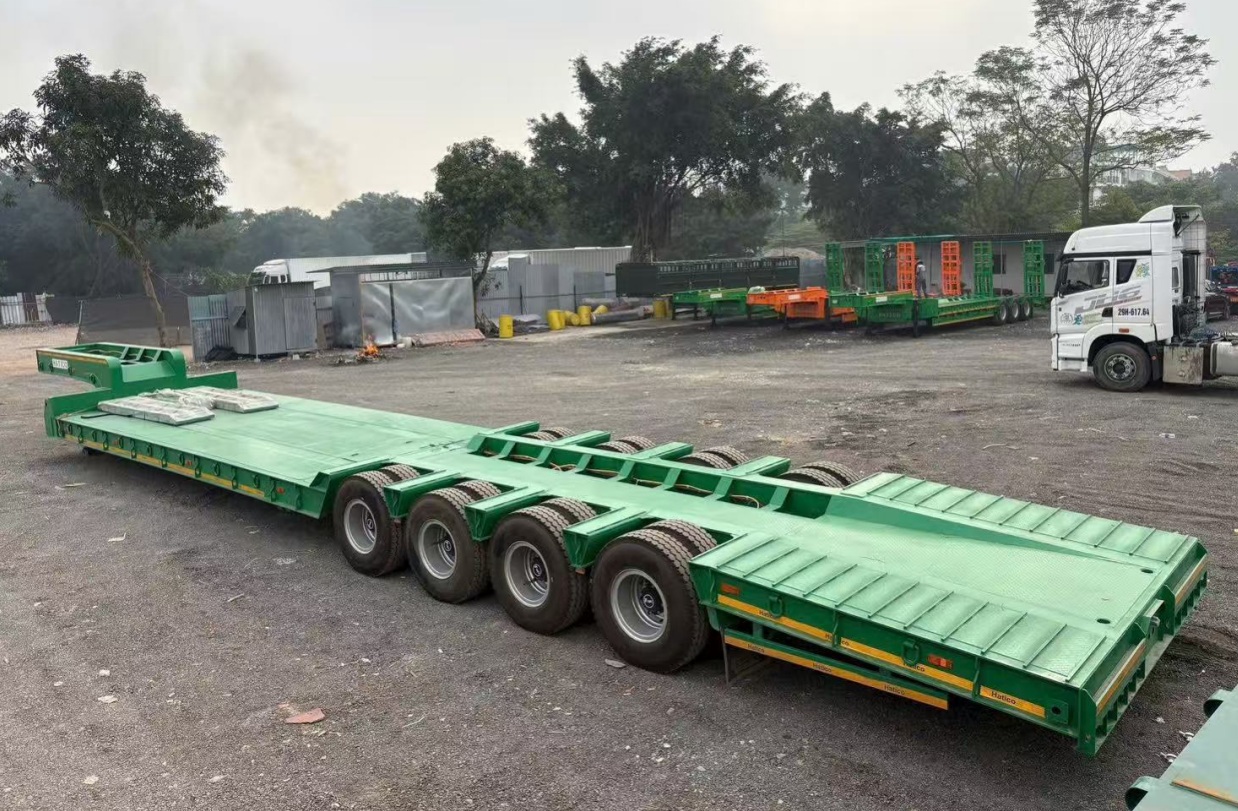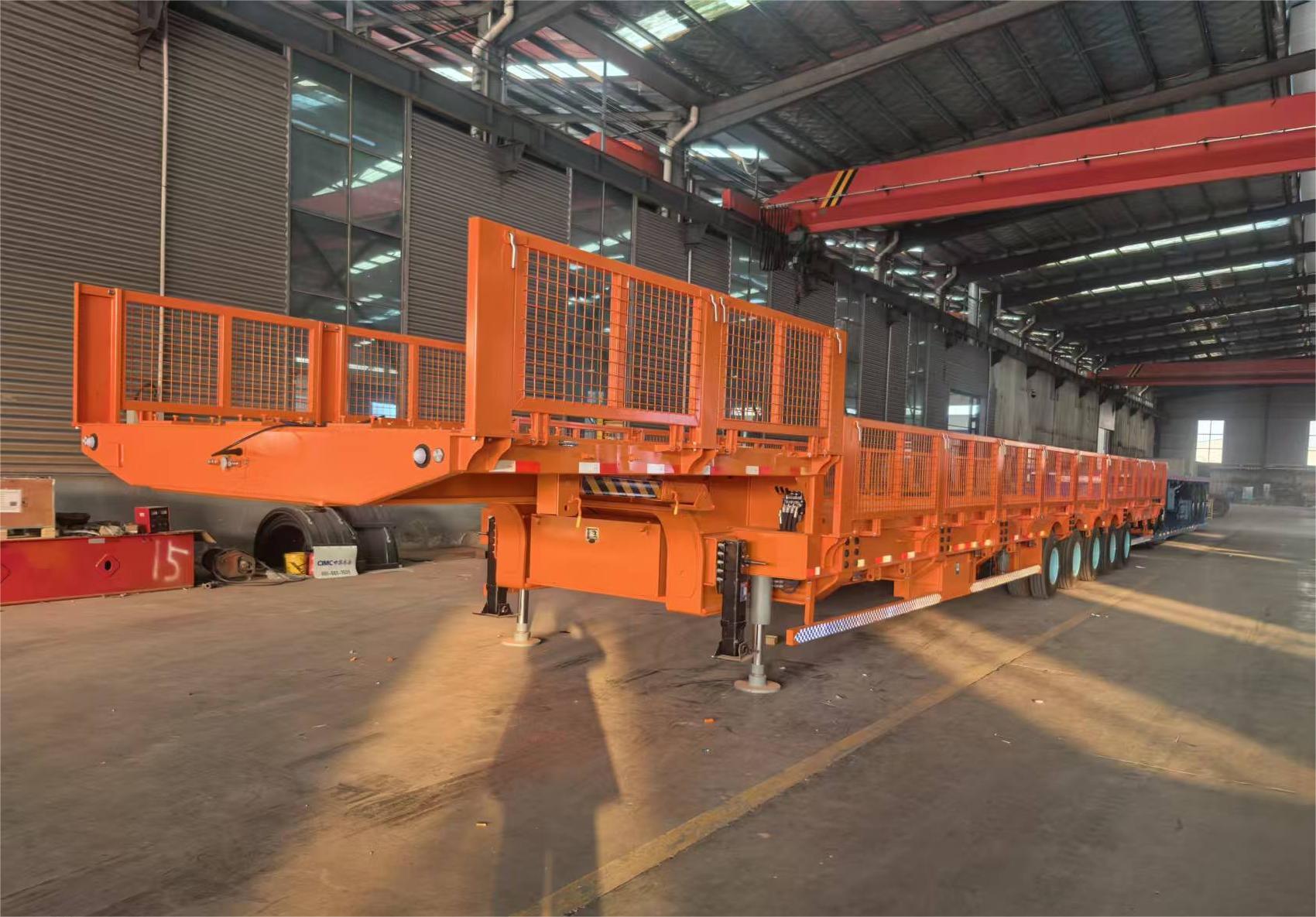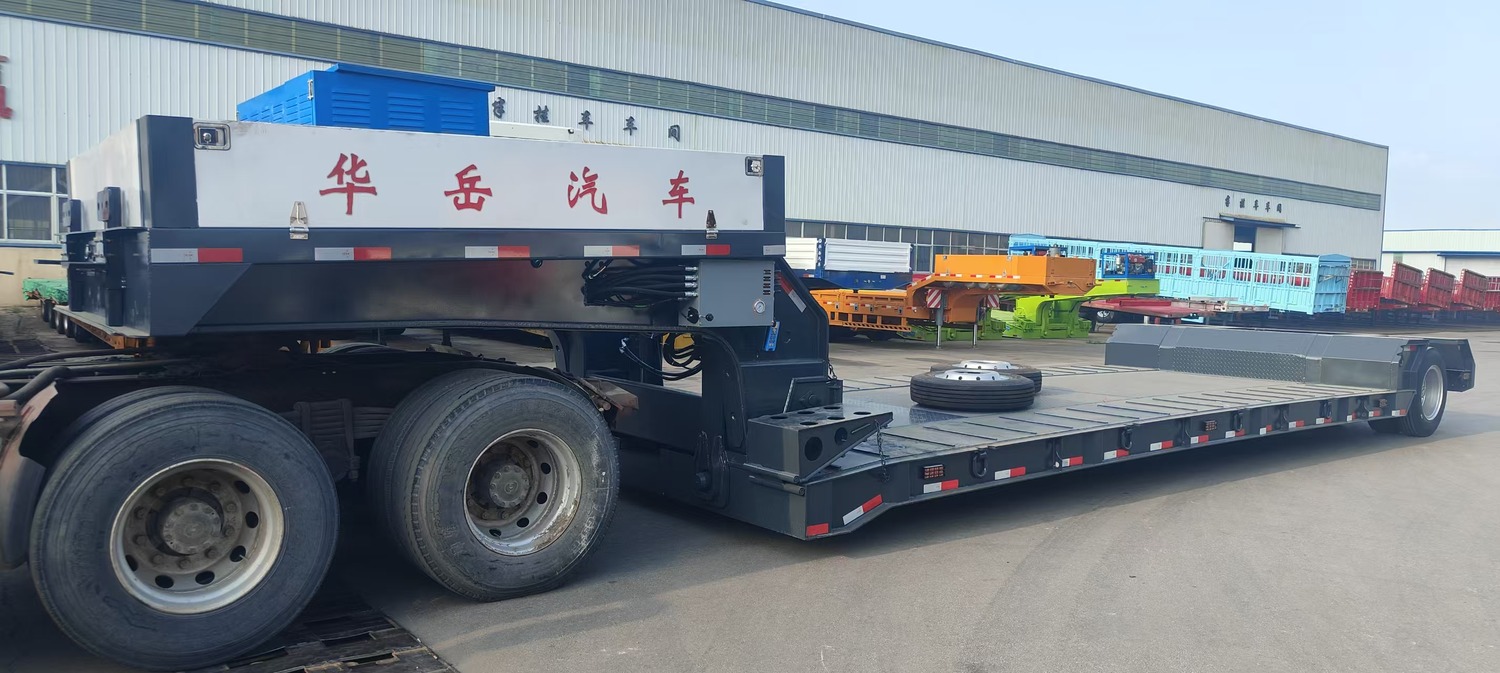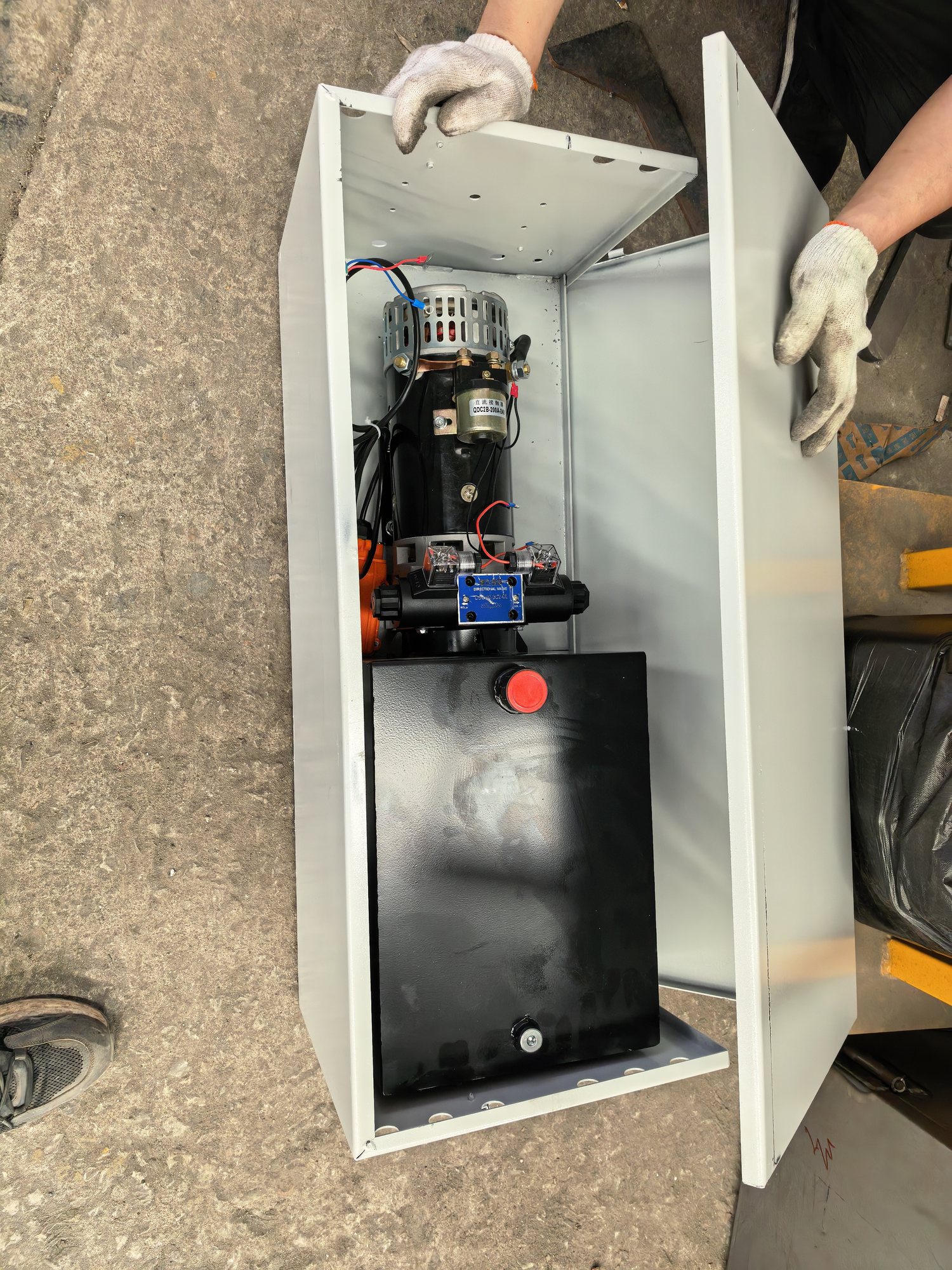
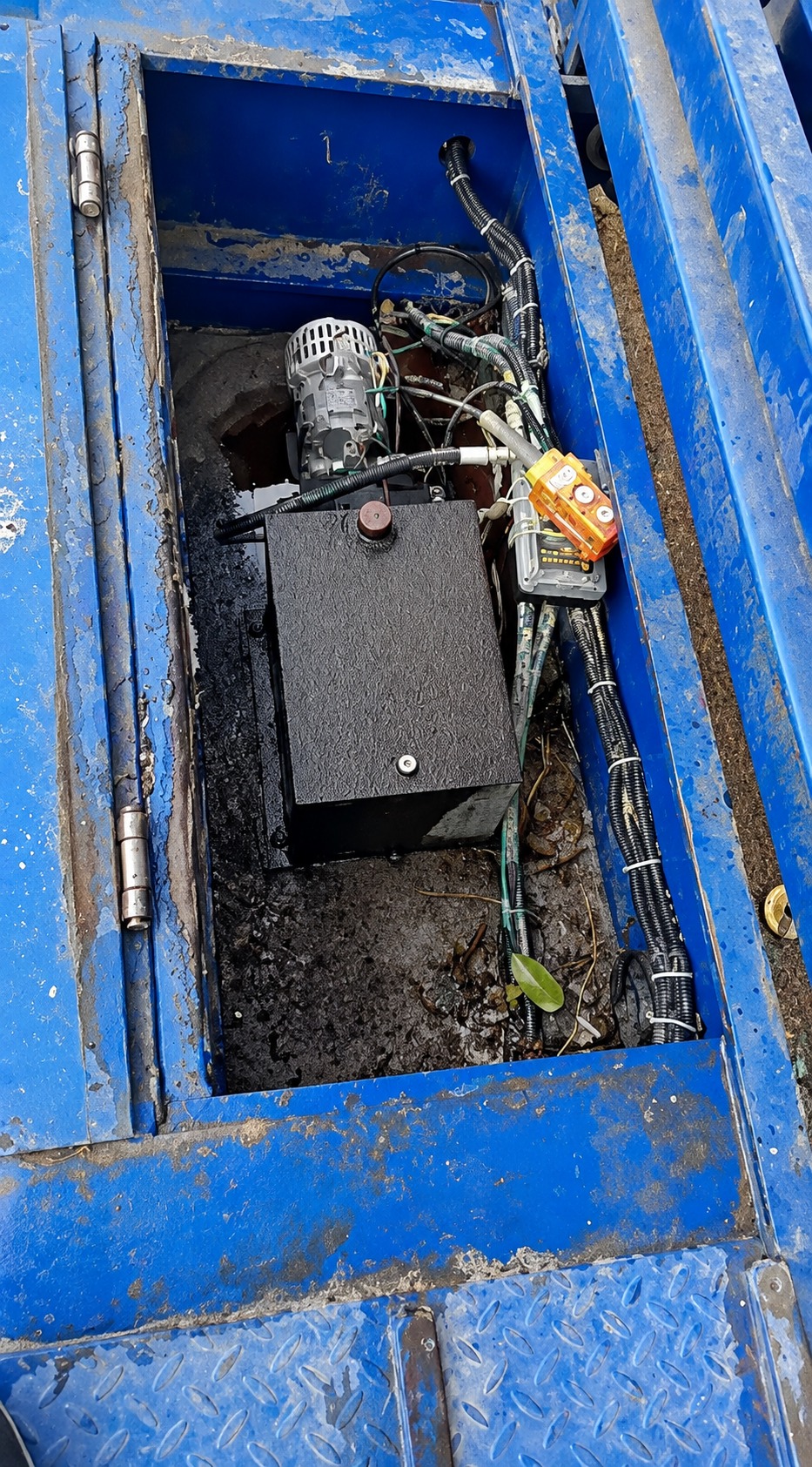
A trailer used to carry large excavators for river clearing and excavation developed a problem around its hydraulic power equipment during rainy-season work. Mud accumulated on the deck, and a blocked drainage outlet allowed water to collect around the motor enclosure. The resulting water exposure was associated with motor damage.
HUAYUE analysed the problem, sent related replacement parts and issued a handling plan. The customer gave positive feedback on the support. The case connects a small drainage detail with the actual environment of an equipment-hauling trailer: wet machinery, mud and repeated outdoor loading activity.
How Mud Reached the Component Area
Excavators working around rivers can carry soil and water on their tracks and lower structures. When they enter a trailer deck, some of that material transfers to the loading surfaces. Rain and subsequent movement can then carry fine debris toward openings and low points around the chassis.
The hydraulic equipment sits within that working environment. An enclosure protects and organises components, but water that enters still needs a route out where the design provides drainage. A small outlet can become important when mud and debris restrict that path.
In this case, the reported sequence linked mud accumulation, a blocked motor-enclosure drain and water exposure. The useful diagnosis was consequently broader than the damaged motor alone. It included the surrounding conditions that allowed moisture to remain around the assembly.
Drainage and Protection Perform Different Jobs
A cover limits direct exposure from above, while drainage allows water reaching the enclosure to leave. These functions complement each other rather than being alternatives. An enclosure can have a cover and still retain water if its drainage route is obstructed.
The position of the outlet matters because water collects at low points. Debris at an opening or in the path leading to it can restrict flow even when the visible upper surfaces appear relatively clear. The whole drainage path is therefore relevant to how the enclosure behaves in wet work.
Mud also changes as it dries. Fine material carried in water can settle into a compact deposit, leaving an obstruction that remains after the surrounding moisture has gone. Later rain can then collect in an area that previously drained, making the condition cumulative over repeated operating cycles.
Water Around the Power Assembly
Water retained around a motor and its connections creates a different exposure from occasional droplets passing over an exterior cover. Prolonged contact can affect electrical connections and exposed metal surfaces. The actual consequence depends on the components and their protection, which is why the local assembly matters in diagnosis.
Water in an enclosure is also different from water inside hydraulic fluid. External exposure concerns the motor, wiring and surrounding components; fluid contamination concerns the working circuit. The reported problem here involved enclosure drainage and motor damage, so the explanation stays with that sequence.
Replacing a damaged part addresses the failed component. Restoring the drainage path addresses the condition that helped produce the failure. Both belong in a useful handling plan because a replacement motor would otherwise return to the same environment around it.
The Cover and Accessible Service Space
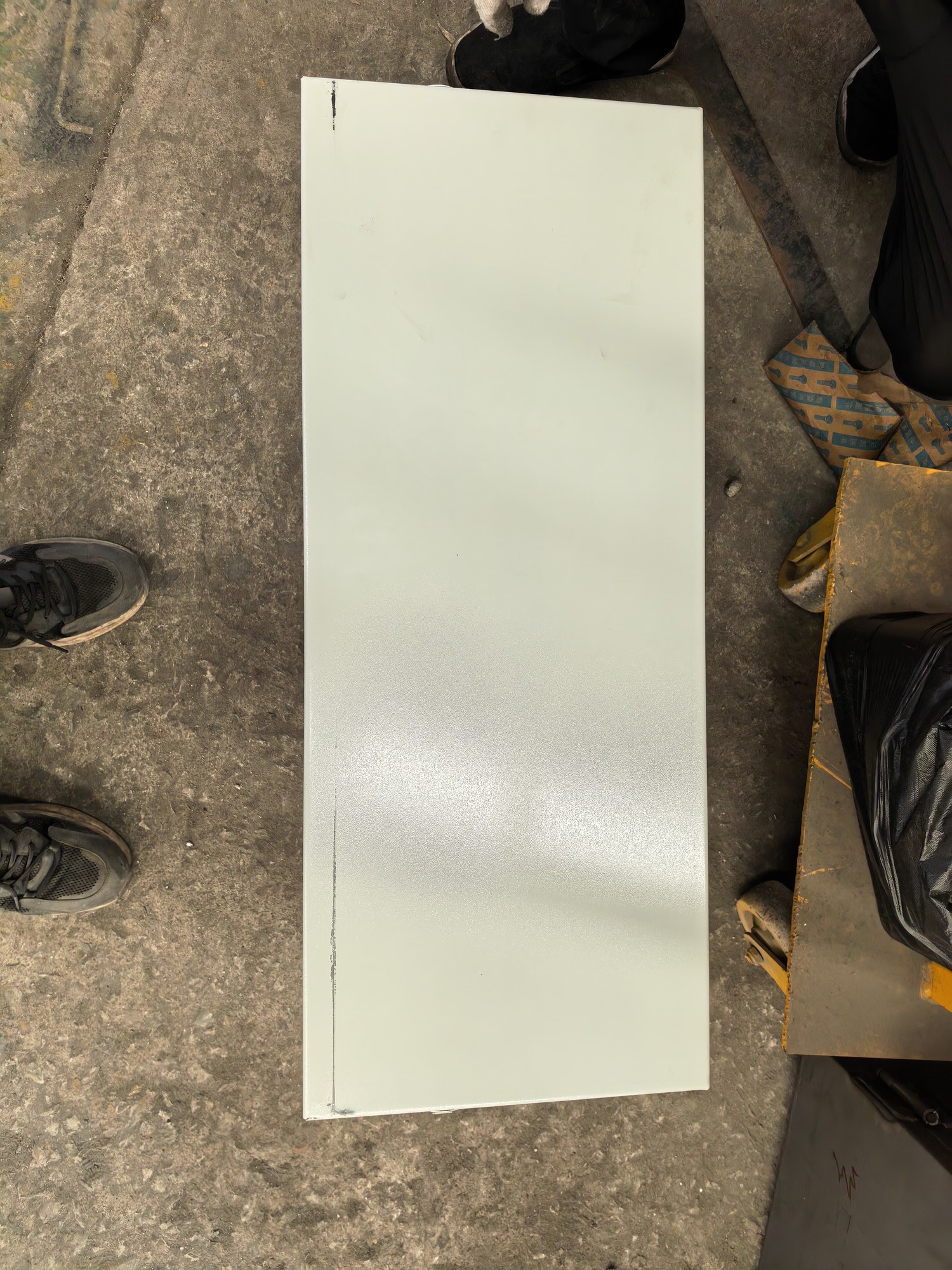
The enclosure cover forms part of the protection around the assembly. Its fit and the way cables or other connections enter the compartment affect how the equipment is exposed during ordinary work. At the same time, access is needed for servicing the components and removing debris from intended drainage areas.
A cover can be effective against direct dirt and splashes without making the compartment a sealed underwater enclosure. The practical task is to preserve the protection provided by the actual design and keep its intended water-management features functional. Adding or altering openings is a design change, distinct from clearing an existing drain.
Space around the components also affects serviceability. A technician needs to reach the assembly, connections and drainage path without treating every nearby part as an obstruction to remove. The enclosure is a working service area as well as a protective shell.
HUAYUE's After-Sales Response
HUAYUE supplied related replacement parts, performed technical analysis and provided a handling plan. This response connected the damaged component with the operating environment described by the customer. The account also included positive customer feedback, giving the technical issue a clear service context.
The response was specific to a trailer carrying excavators for river-related work. Mud on the deck and wet-season exposure explained why drainage deserved attention alongside the power equipment. The case illustrates how an operating detail can shape a repair discussion without requiring a change to the trailer's basic transport role.
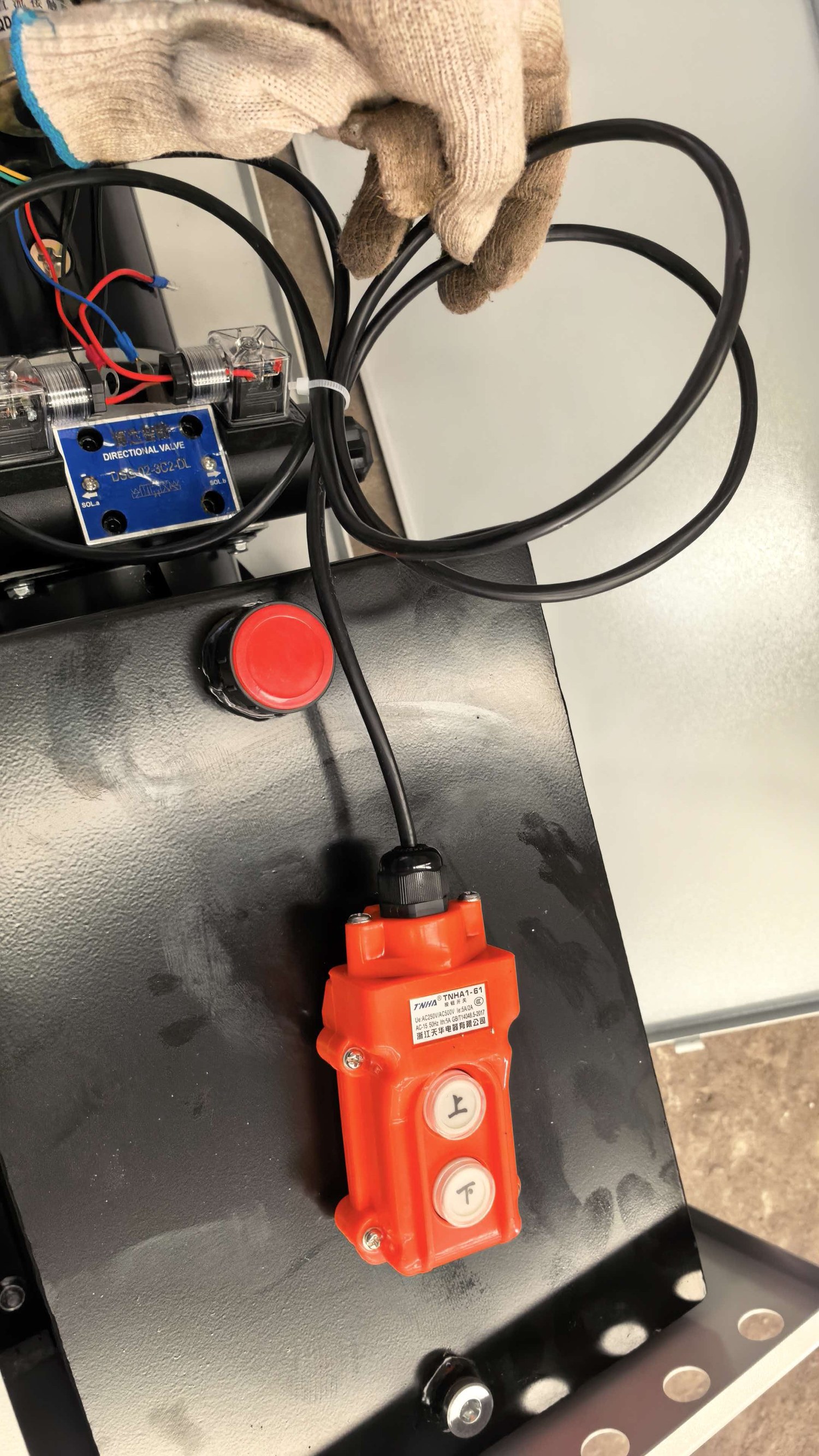
The control component and wiring belong to the same powered assembly as the motor and hydraulic equipment. Their condition matters because the operating signal and power supply have to reach the intended components. Protecting that local system means considering the enclosure environment, connections and accessible service points together.
For equipment-hauling trailers in muddy work, the practical lesson is the connection between loading conditions and component surroundings. The machine brings material onto the deck, water carries it toward low areas and a blocked drain can prolong exposure. Maintaining the intended drainage function helps preserve the environment around the assembly between working cycles.
Frequently Asked Questions
Why did the drainage outlet matter in this case?
It provided the path for water to leave the motor enclosure. Mud obstructed that path, allowing water to remain around the assembly and contributing to the reported damage.
Does water in the enclosure mean water entered the hydraulic oil?
No. External water exposure and contamination inside the hydraulic circuit are different conditions. This case concerned enclosure drainage and motor damage.
Why address drainage when replacing a motor?
A replacement component can face the same exposure if the surrounding cause remains. Restoring the intended drainage path addresses that recurring condition alongside the component repair.
Discuss Your Trailer Application
Share your cargo or equipment details, transport route and destination market with HUAYUE for a configuration discussion tailored to the intended application.
Interested in this case?
Contact Us for a Technical Consultation.