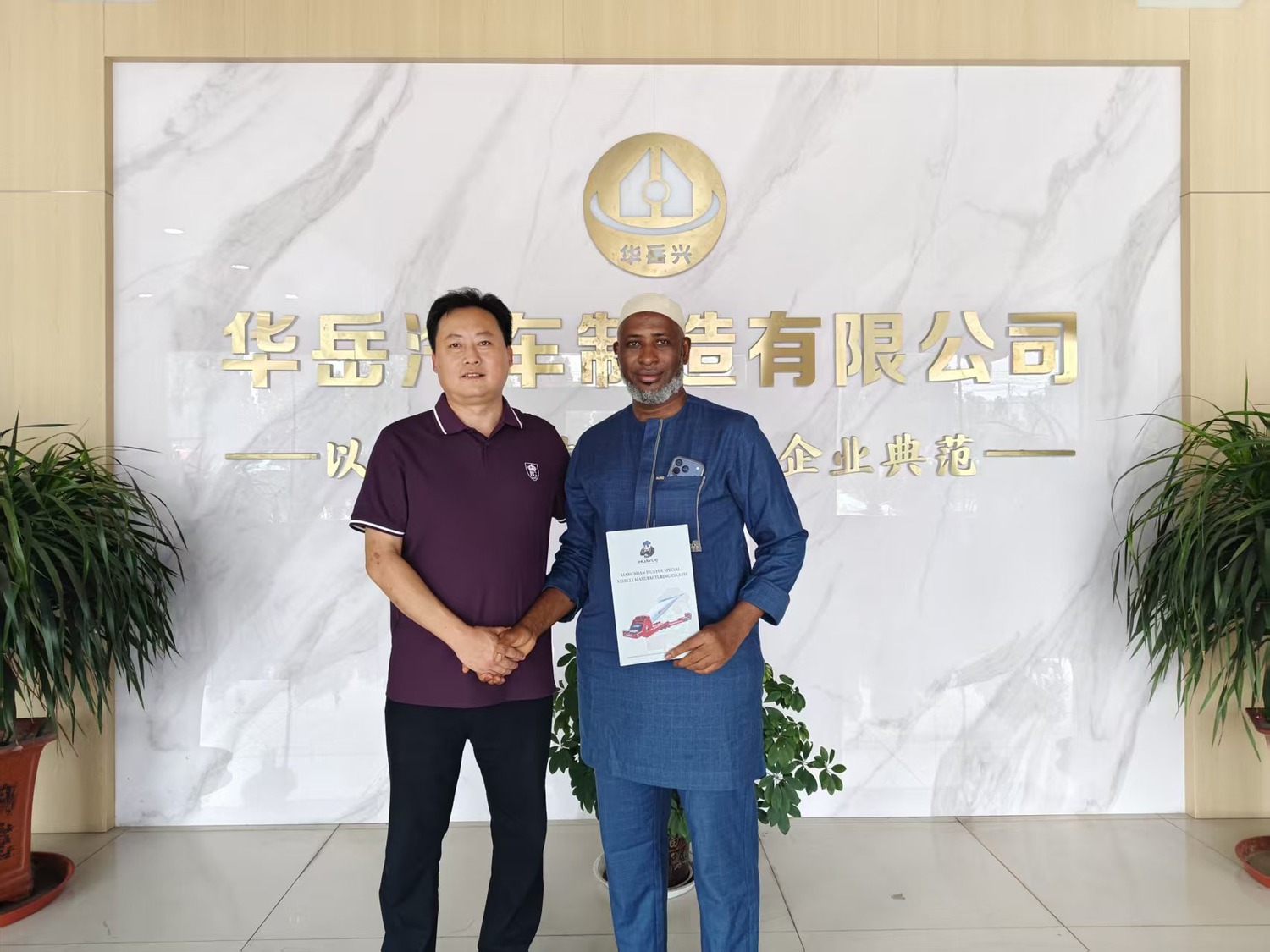
A customer from Guinea visited HUAYUE to discuss lowbed and flatbed semi-trailers and decided to place a two-unit trial order. HUAYUE's business president received the visitor. The customer's decision was not based on the lowest price alone: workmanship and concern about transport risk were important parts of the discussion.
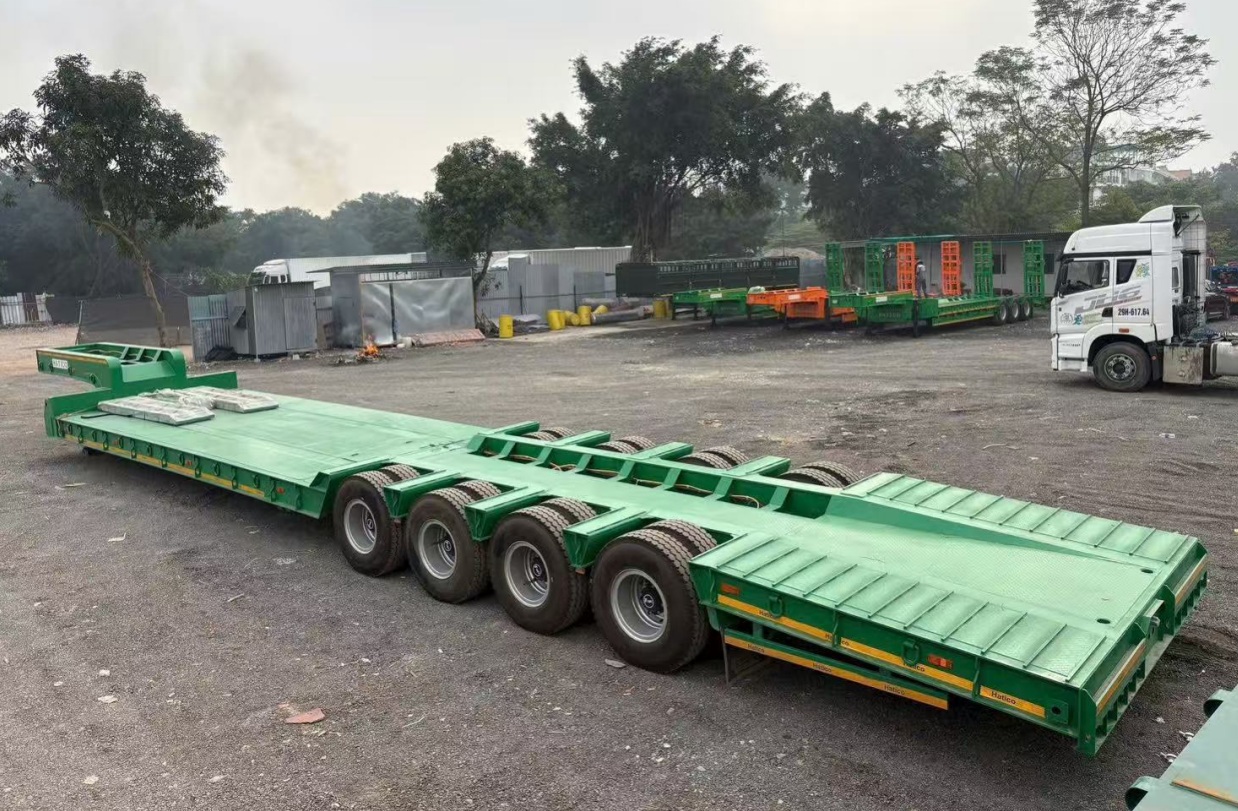
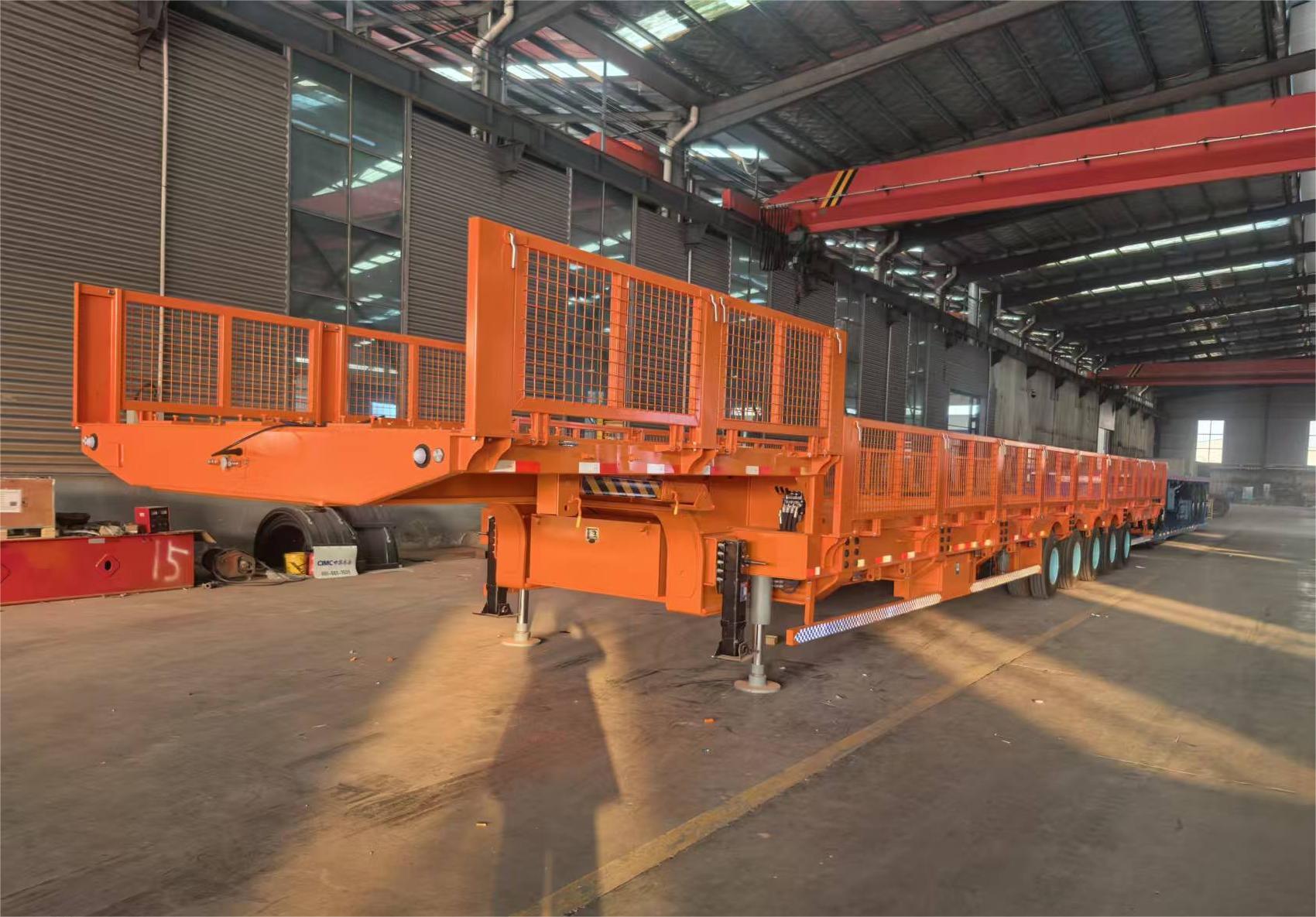
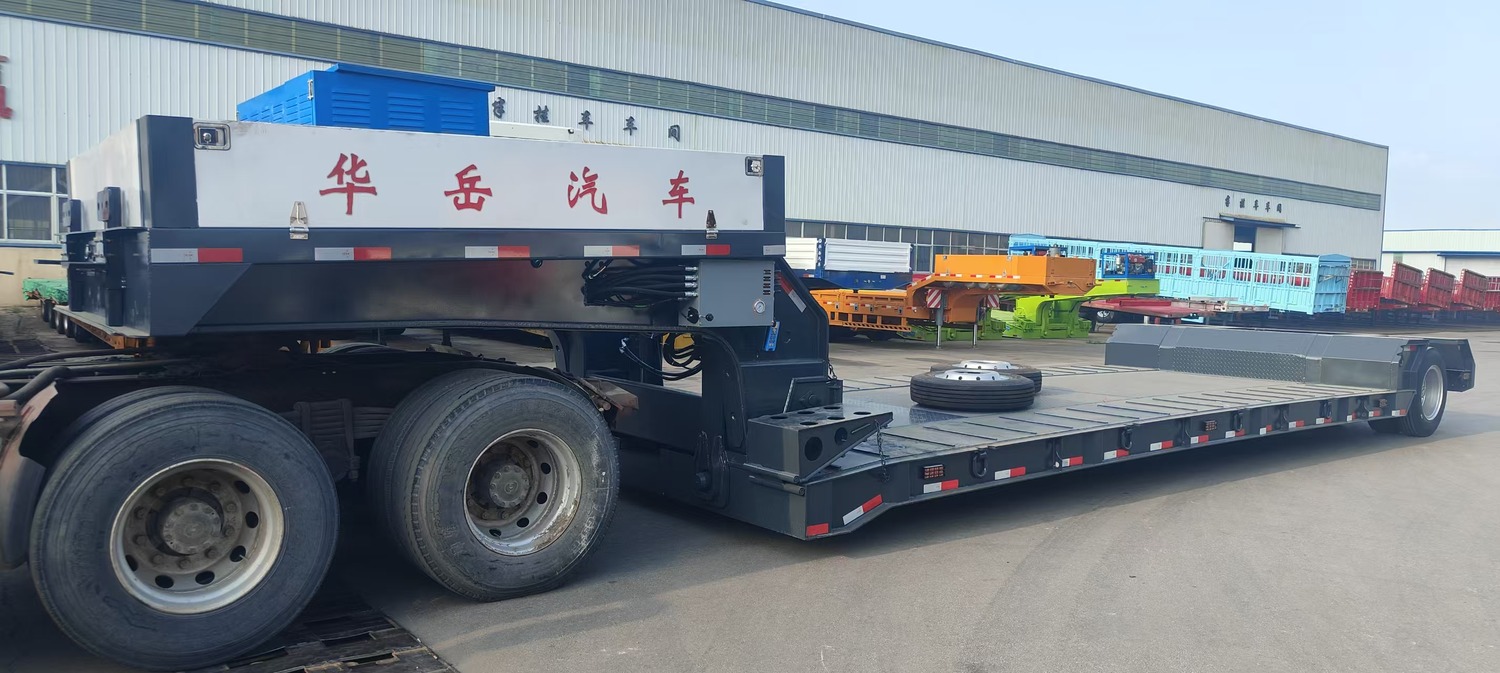
The visit brought two different open-platform vehicle types into the same conversation. A lowbed emphasises a lowered equipment position, while a flatbed offers an open, level cargo platform. Their practical differences help explain why the customer considered both without treating them as interchangeable trailers.
A Lowbed for Equipment with Substantial Height
A lowbed trailer places its cargo platform lower than a conventional flatbed. That lower deck makes the vehicle relevant to suitable machinery and cargo with significant transport height. The platform contributes less height beneath the load, leaving the equipment's own structure to determine most of the loaded profile.
For machinery, the support footprint can be very different from the external shape. Tracks, tyres or transport feet carry weight into the deck, while booms, cabs and attachments may project into surrounding space. A usable lowbed layout therefore combines suitable support with clearance for the whole machine.
The deck and crossmembers transfer contact loads into the main chassis. The tractor connection and trailer running gear then share the supported weight. This explains why a low platform is not only a height feature: its structure has to carry the particular contact pattern of the equipment.
A Flatbed for Open-Deck Cargo
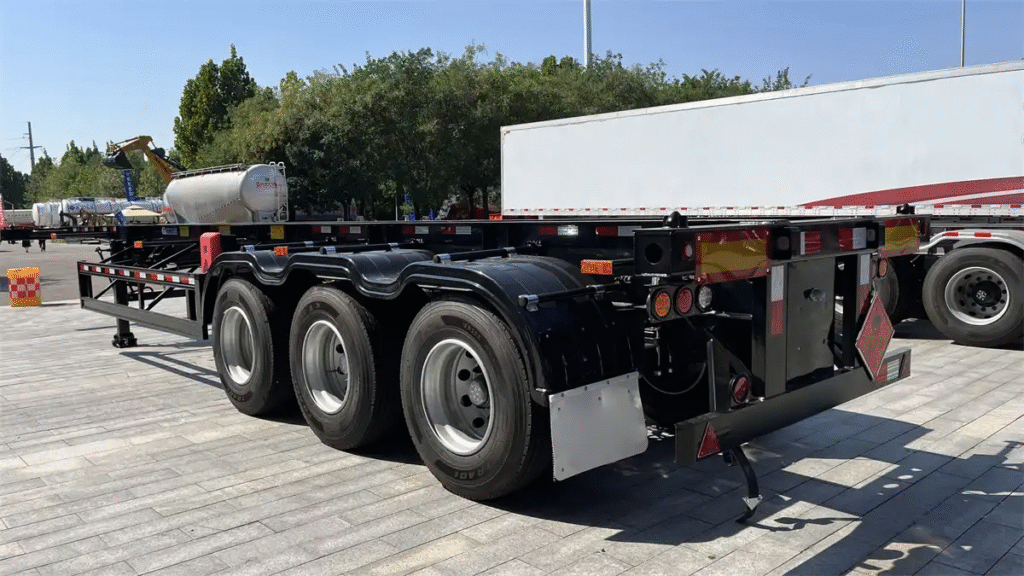
A flatbed provides an open, level deck without the enclosure of a curtainsider or box trailer. Its accessible platform can suit packaged materials, structural pieces and other loads handled from the sides or above. The useful feature is the ability to approach the cargo area without fixed walls obstructing the handling path.
Open access does not make every part of a load suitable for lifting or restraint. Structural components and packaged goods have intended support and attachment areas, and those determine how forces pass into the platform. The trailer provides the working space while the load's transport arrangement determines how that space is used.
An open deck also exposes cargo to the surrounding environment. Where a load needs weather protection, the covering arrangement serves a different purpose from the structure supporting it. The platform, protection and restraint each contribute a separate function to the transport setup.
Different Platforms, Different Working Priorities
The lowbed and flatbed are both semi-trailer platforms, but they address different physical requirements. A lowbed prioritises a lower cargo position; a flatbed prioritises an accessible level surface. The advantage of either design depends on the height, support and handling needs of the intended cargo.
Load position matters on both. Moving a heavy item forward changes the weight at the tractor connection, while moving it rearward changes the reaction at the trailer axle group. The same overall cargo weight can therefore create different operating demands depending on its location.
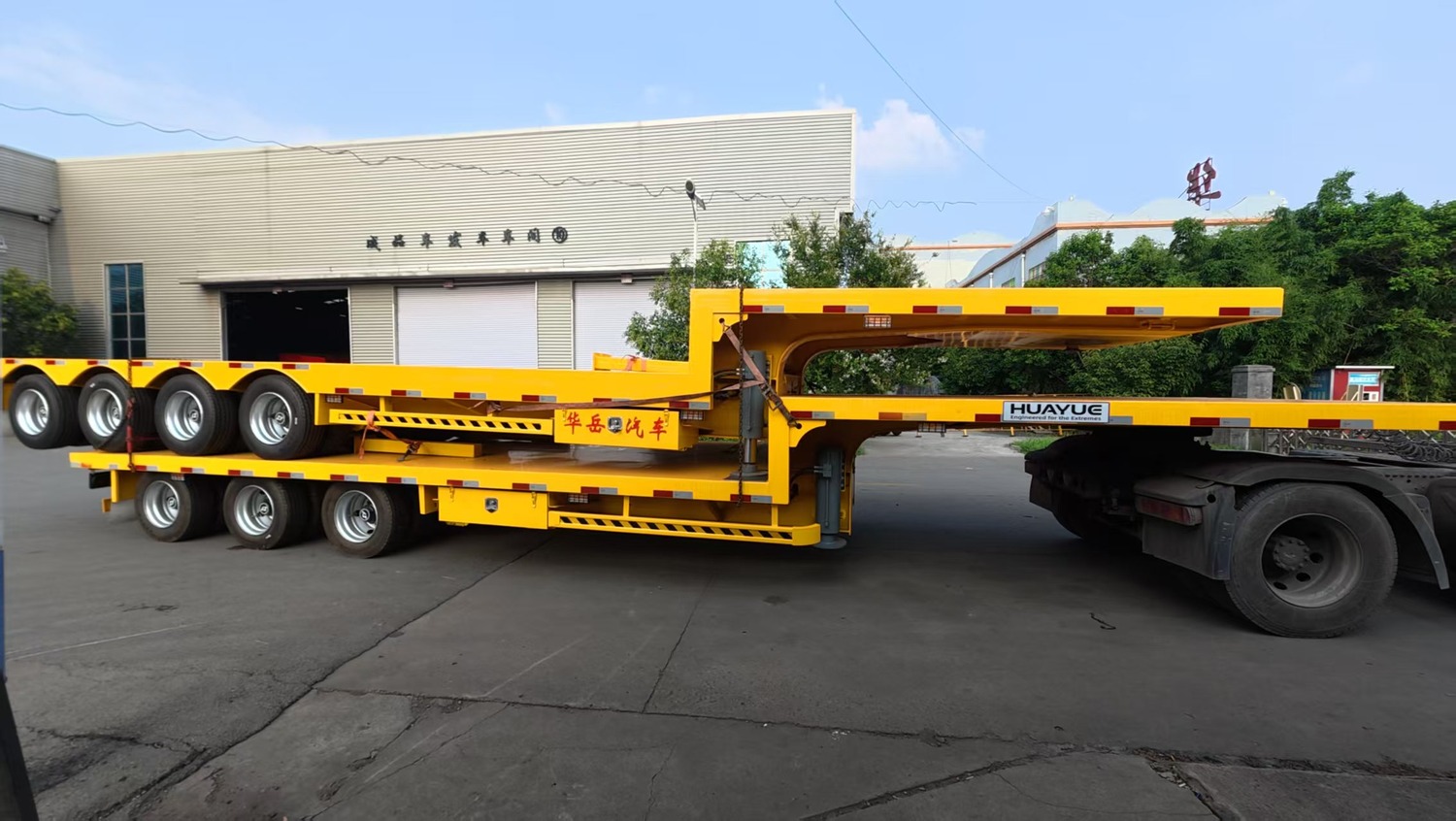
The platform must also accommodate the cargo's envelope during movement. A long component or projecting attachment can sweep beyond the tyre path during a turn. A useful deck is consequently part of a whole transport geometry, including the tractor, trailer and load rather than the platform dimensions alone.
Why Workmanship Entered the Decision
The Guinea customer placed importance on product workmanship and the risks associated with transport. That preference explains why the discussion extended beyond the purchase price. The customer was considering equipment intended for real freight work, where the way a trailer is built matters to its use and ownership.
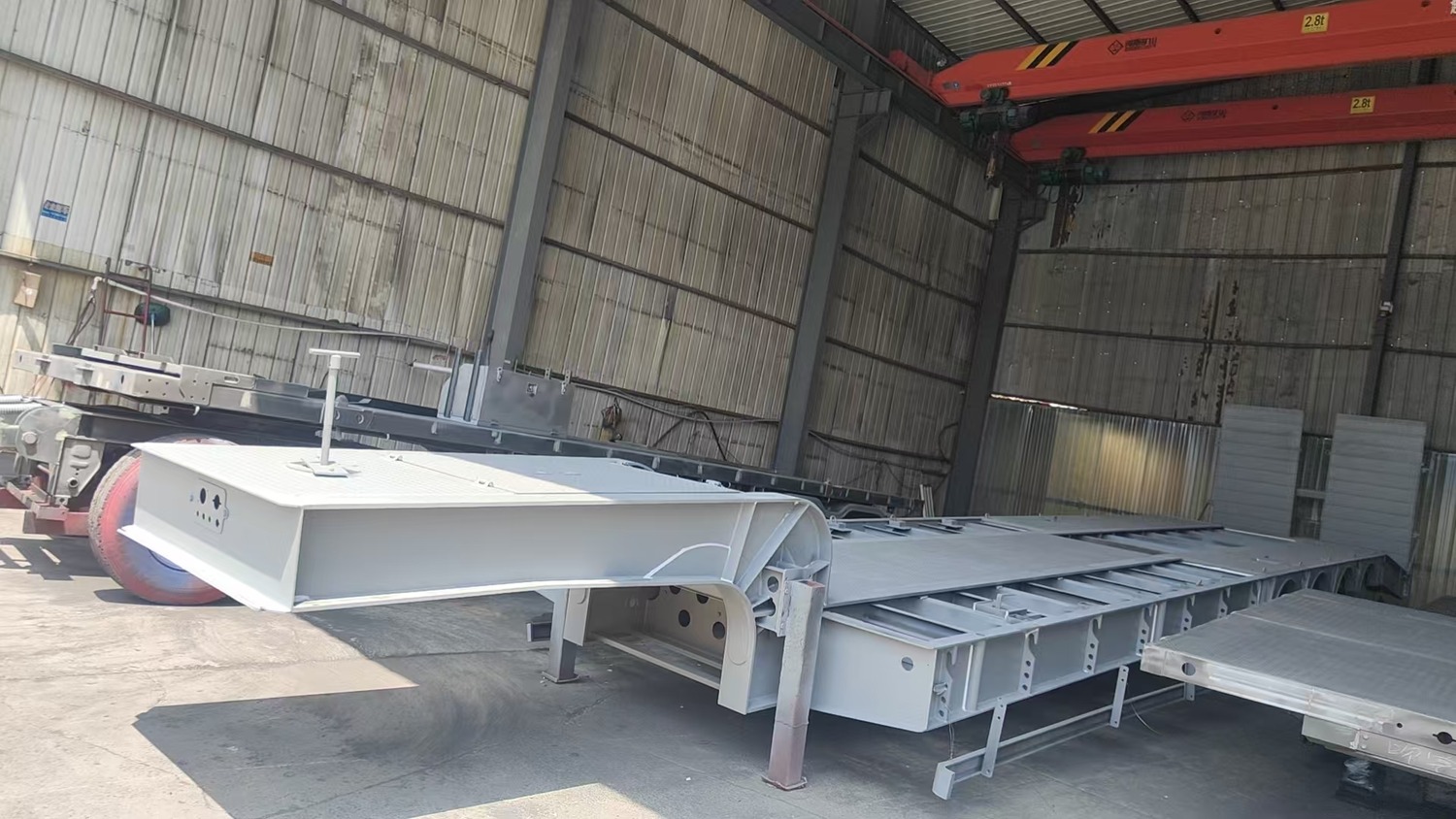
Workmanship is visible in the fit and finish of components, but its practical significance lies in the functions those components perform. Deck supports carry local loads, connections transfer structural forces and access details affect ordinary servicing. Describing those functions gives the customer's concern a concrete context.
The customer's emphasis on workmanship gave the purchasing discussion a longer-term perspective. A trailer would need to support the intended cargo and remain practical to use around loading and service areas. The two-unit trial order followed that discussion of the vehicles and their working requirements, with price considered alongside those priorities.
A Trial Order with Two Vehicle Types in View
The decision was a two-unit trial order after considering lowbed and flatbed trailers. It provided an initial step in the supplier relationship, following direct discussion of the platforms and their workmanship during the factory visit.
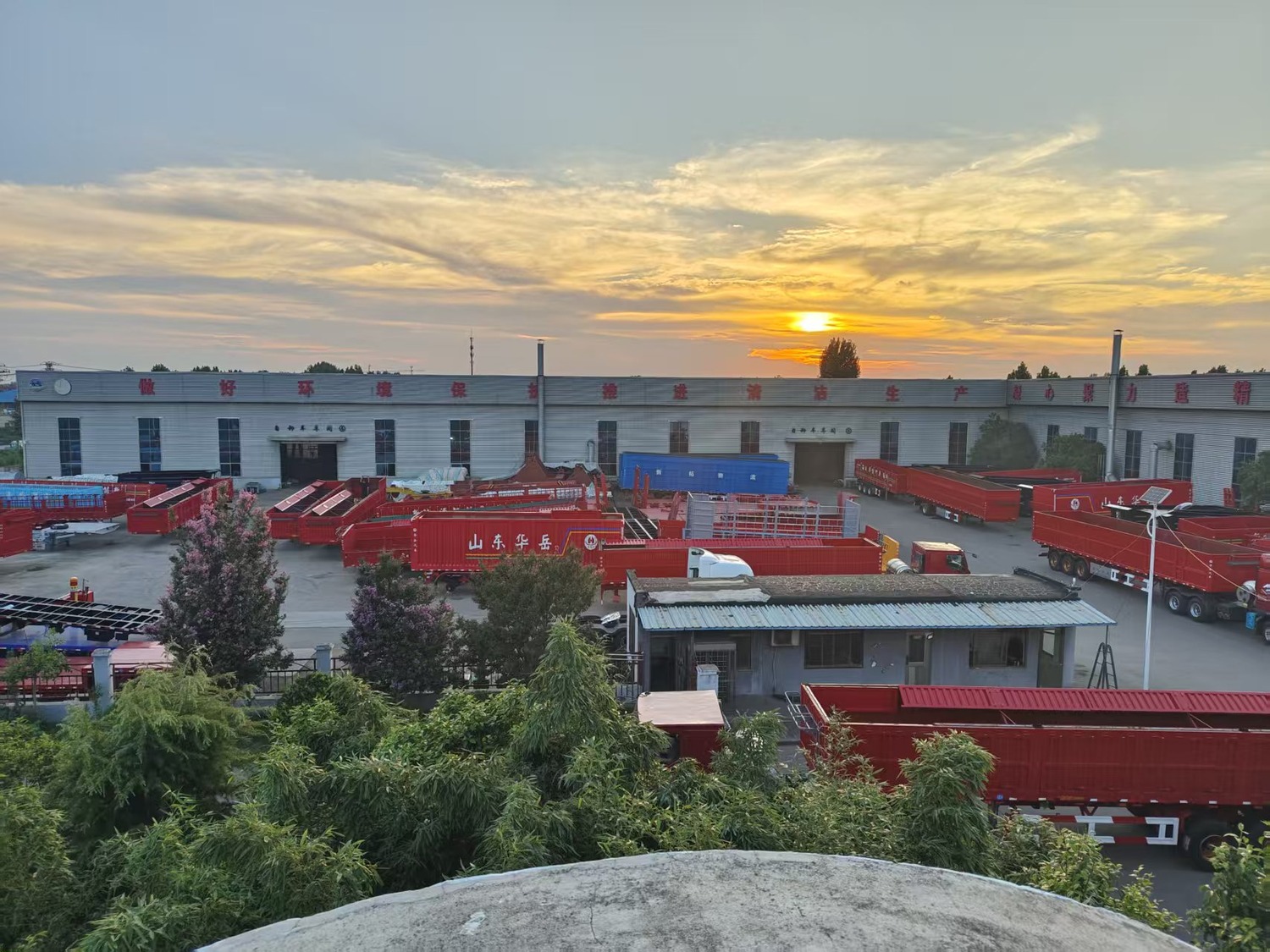
Considering two platform types also creates a useful way to discuss future work. Cargo that benefits from a low position may call for one arrangement, while materials needing clear access around a level deck may call for another. The vehicle choice follows the task rather than a general claim that one platform is always better.
The visit's practical significance lies in that connection between customer priorities and trailer function. Workmanship and transport concerns shaped the decision, while the lowbed and flatbed offered distinct ways to support and handle cargo. The trial order is the human outcome around those concrete vehicle differences.
Frequently Asked Questions
What is the main difference between a lowbed and a flatbed?
A lowbed places the load on a lowered platform. A flatbed provides an open, level deck, with suitability depending on cargo height, handling and support needs.
Why can two loads of the same weight need different decks?
Their support footprints and external shapes can differ. Tracks, wheels, feet and structural bearing points transfer weight into the platform in different ways.
Does open-deck access replace cargo restraint?
No. Access concerns placing and removing the load. Restraint connects suitable attachments to resist movement during transport.
Why does workmanship matter beyond appearance?
The components perform structural and service functions. Their fit, connections and accessibility contribute to how the trailer carries cargo and is maintained in use.
Discuss Your Trailer Application
Share your cargo or equipment details, transport route and destination market with HUAYUE for a configuration discussion tailored to the intended application.
Interested in this case?
Contact Us for a Technical Consultation.