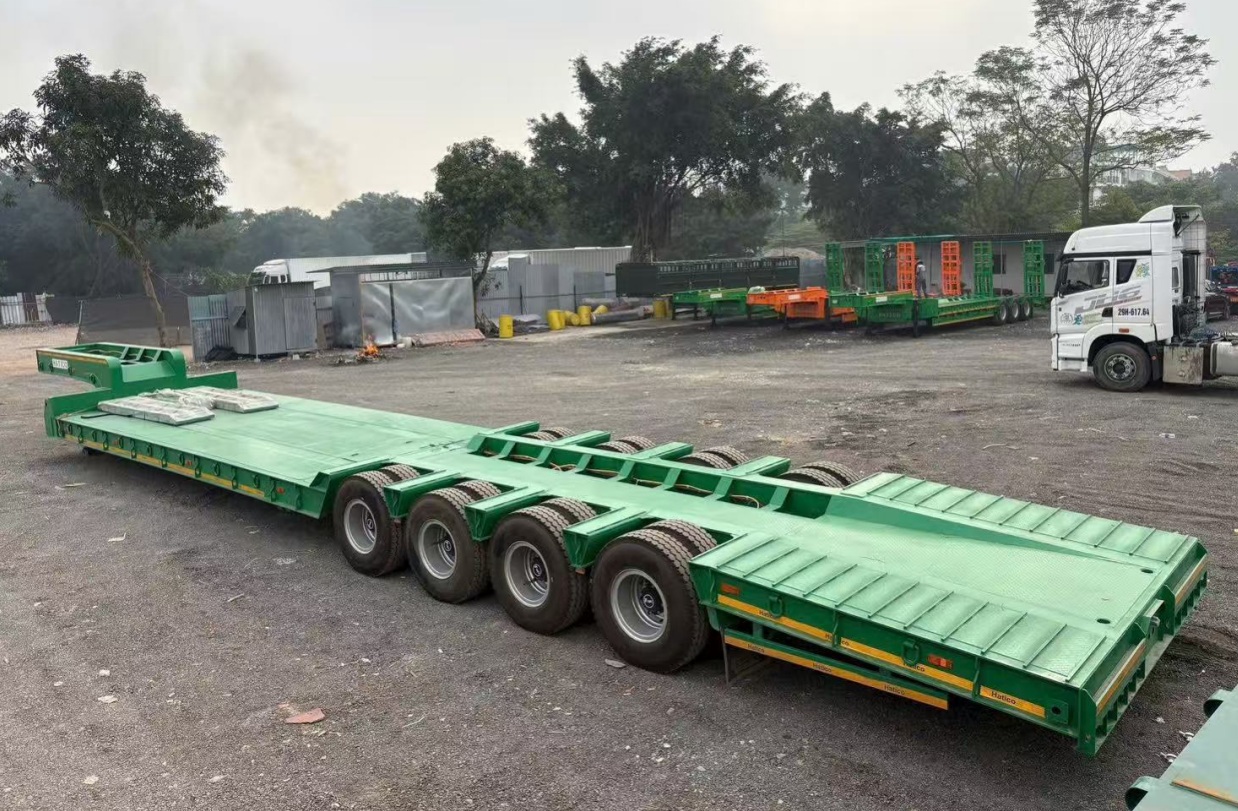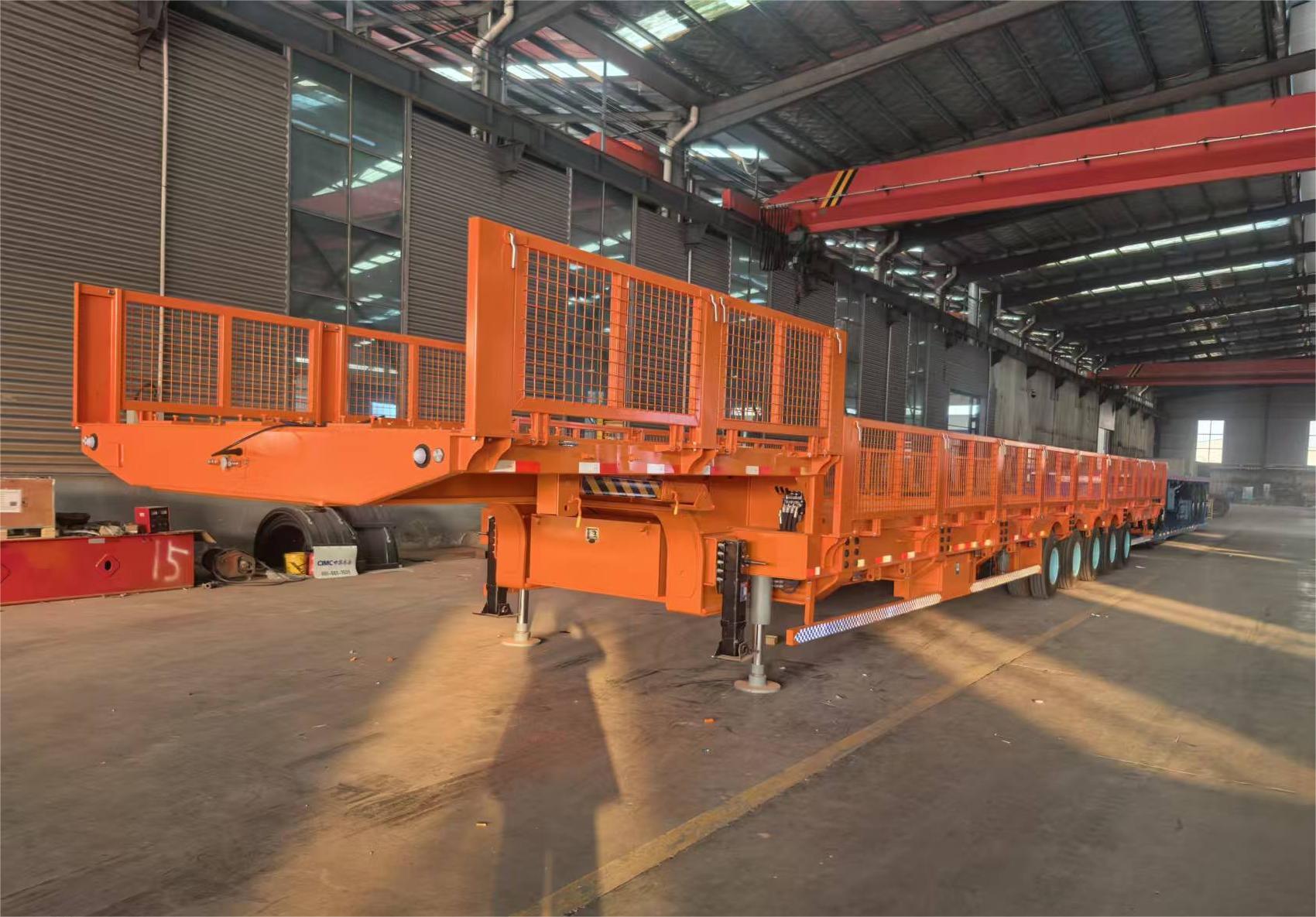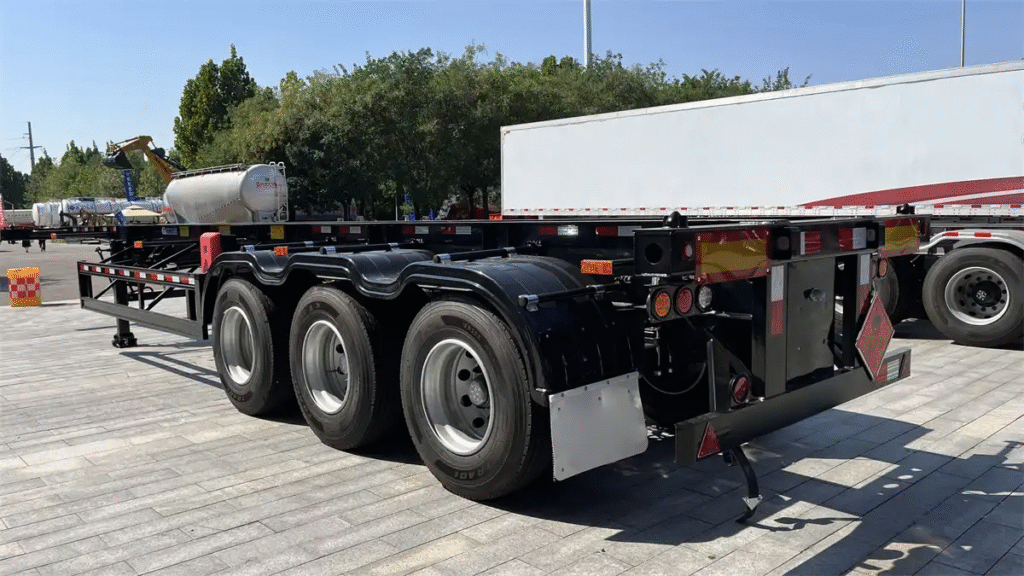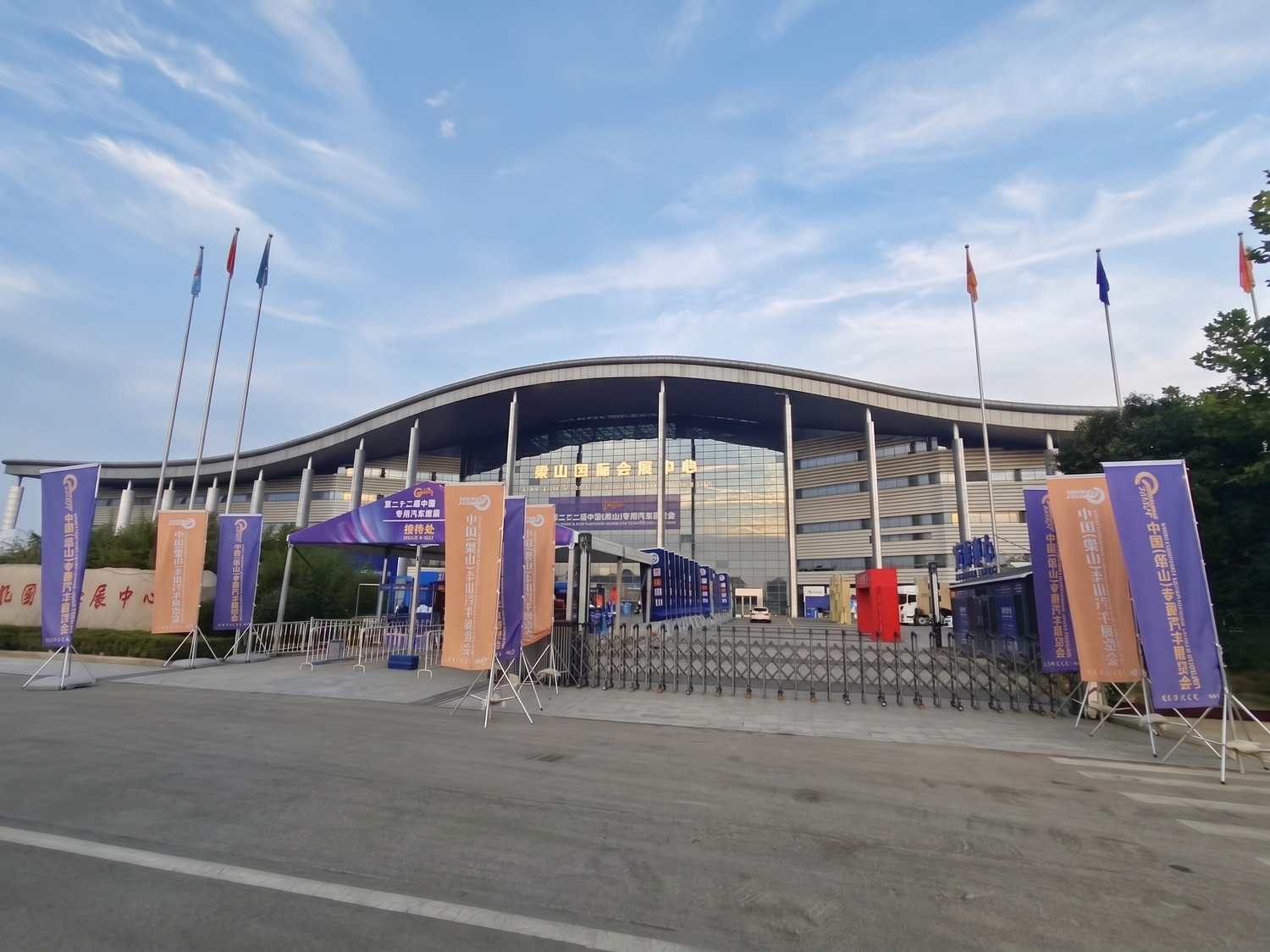
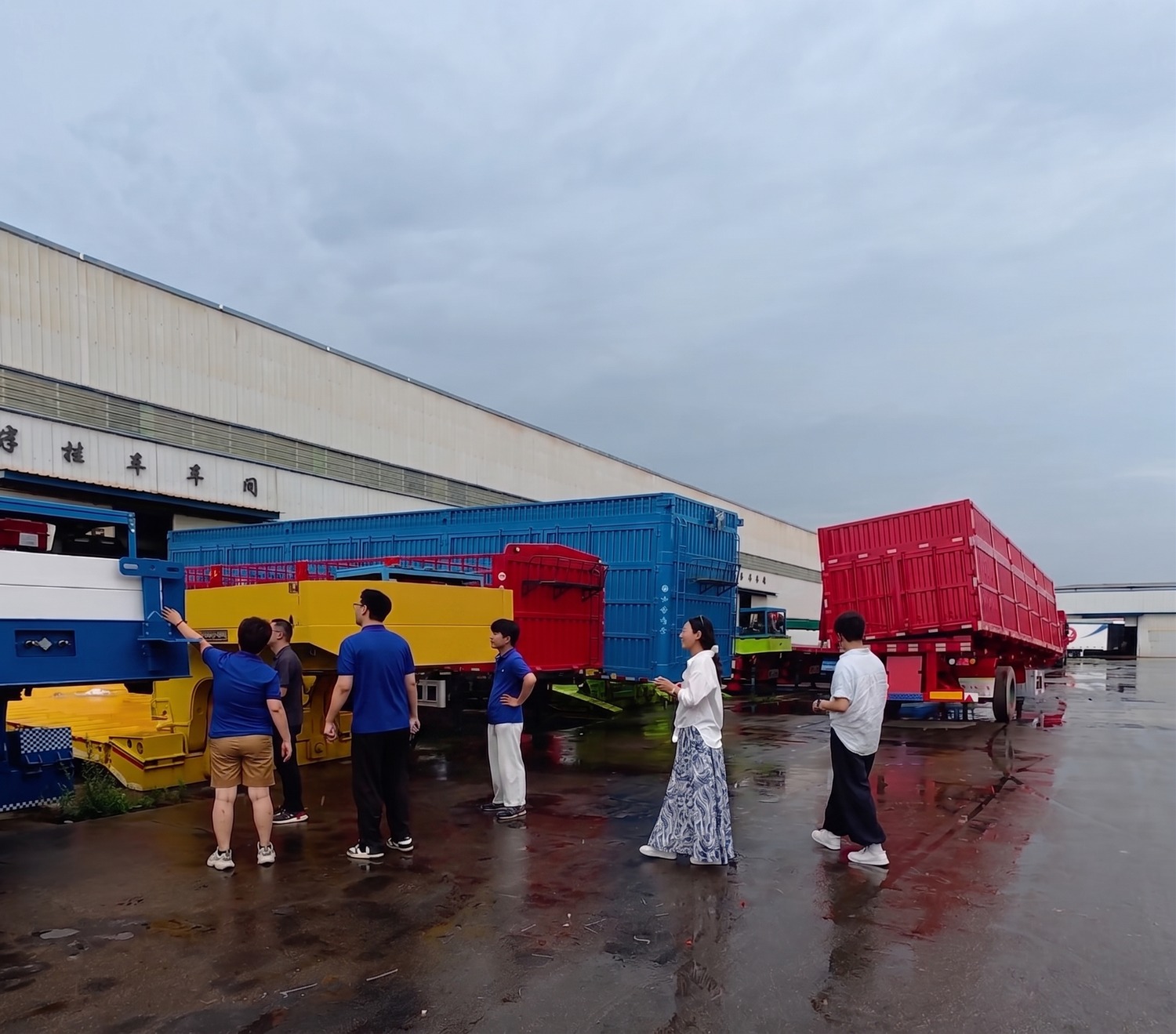
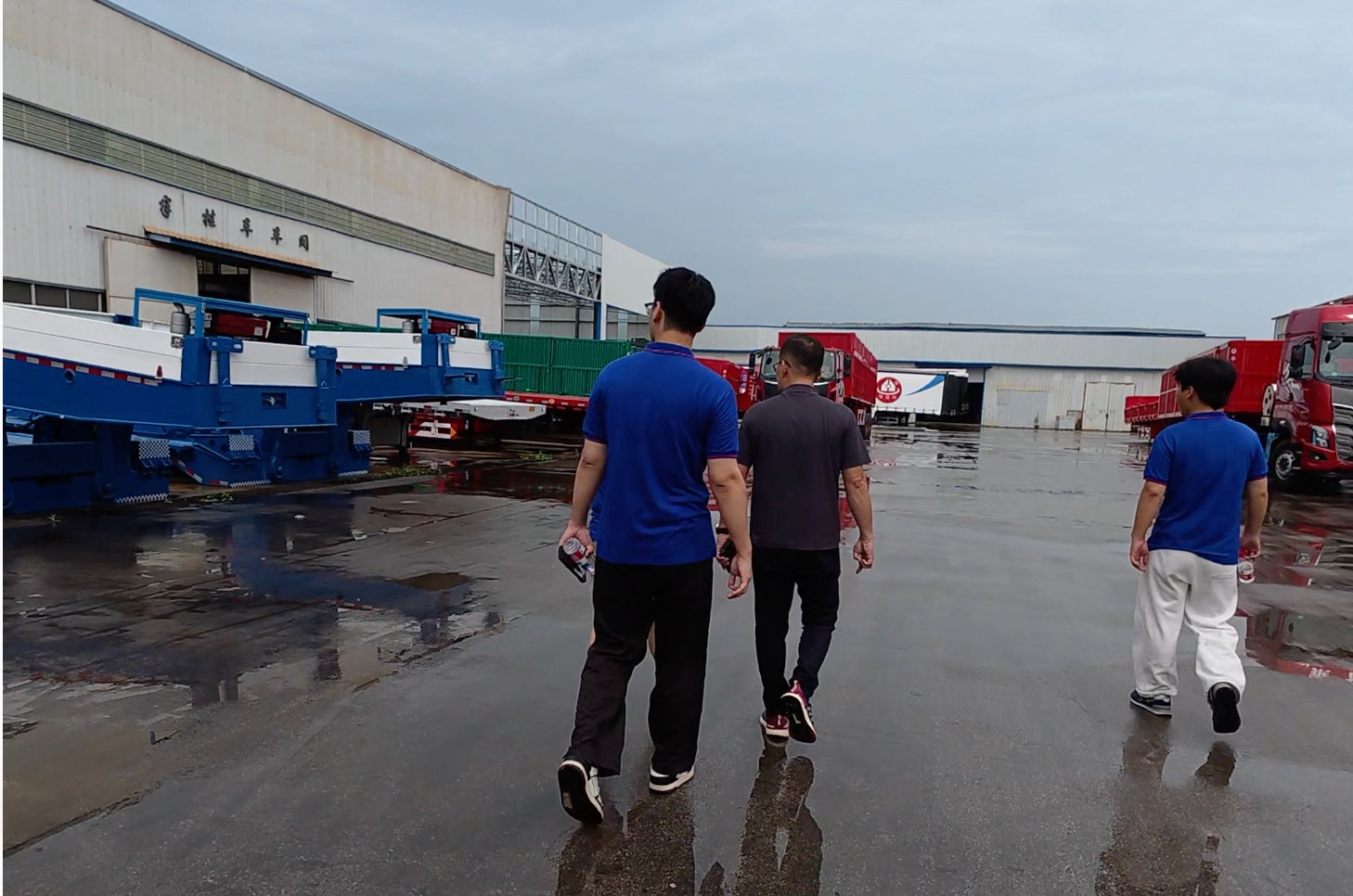
Customers from Vietnam visited HUAYUE while planning to purchase a lowbed semi-trailer for construction-machinery transport. After looking at detachable-gooseneck models, they considered changing their target configuration. The discussion included a separable-deck design and a model with reverse-folding ramps, bringing loading access and platform arrangement into the same decision.
The customers' original need remained equipment transport. What changed was their interest in how the machine could reach the low deck and how the trailer could be configured around that task. Further technical communication would develop the final proposal, so the visit marks a comparison of approaches rather than a completed vehicle selection.
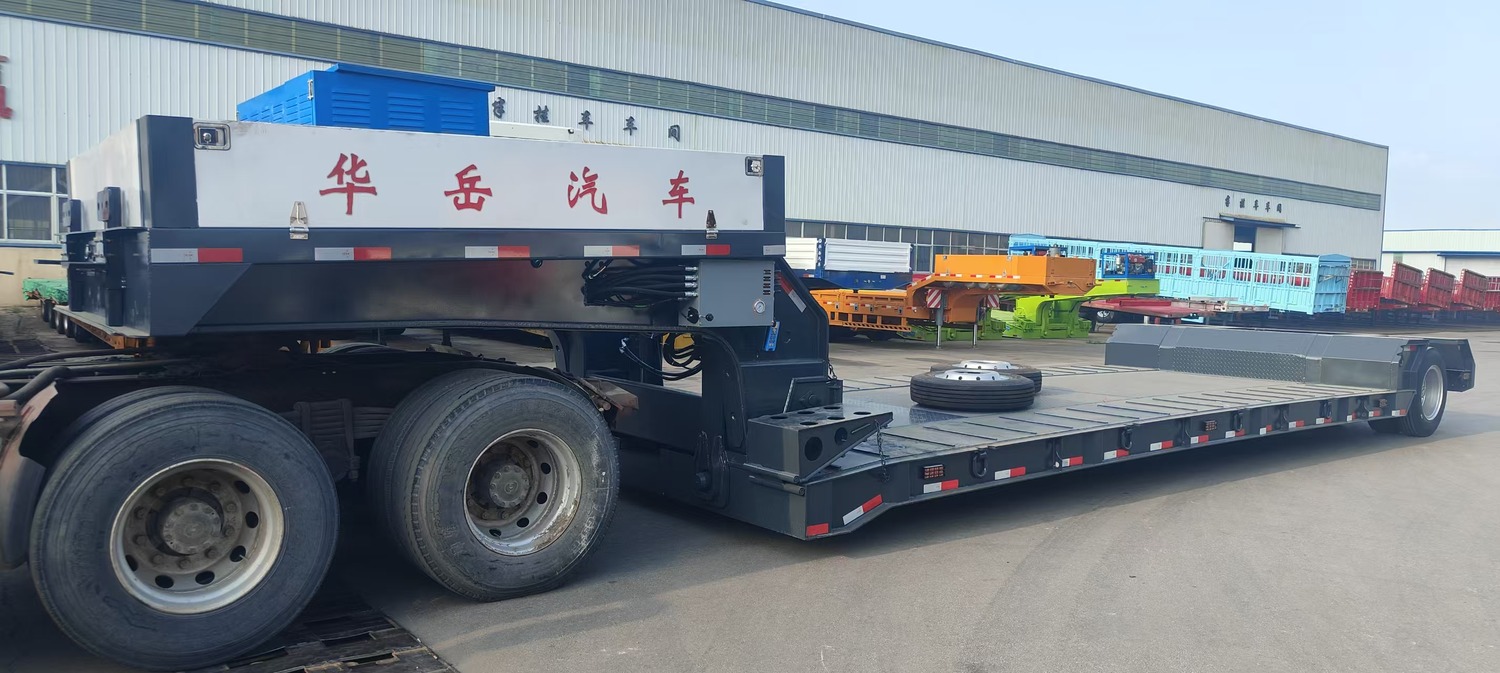
Detachable Gooseneck and Front Access
A detachable gooseneck creates a front connection that can separate from the low deck. Removing that section opens the front of the platform for suitable machinery. It changes the loading route compared with a fixed-front lowbed, where access normally comes from another part of the vehicle.
Front loading can be useful when machinery has limited ground clearance or a long distance between its contact points. A low entrance reduces the climb onto the platform, while the transition between the approach and deck determines how the machine's underside clears the change in angle. Wheel or track spacing also needs to match the supporting path.
The detachable arrangement performs a different function during travel. Once assembled, the front connection transfers forces between the deck and the gooseneck carrying the tractor interface. The same design therefore provides an open entrance for loading and a connected structural arrangement for transport.
The Separable Deck Design
HUAYUE's separable-deck design was another part of the discussion. Separating structural sections changes how the trailer can be arranged for its export movement. The design was presented as a way to reduce ocean-freight cost through a different shipping configuration, with the actual benefit depending on the resulting transport arrangement.
Deck separation and gooseneck detachment have related but distinct purposes. A removable neck opens the loading entrance; a separable deck changes the way sections of the platform can be arranged. Neither feature automatically means the deck telescopes or that the vehicle carries a greater load.
In its assembled state, the deck still needs to transfer forces across the designed connections. The joints form part of the working structure, linking the machine's contact areas with the main members and supports. Separability provides flexibility while retaining the need for a defined load path during equipment transport.
The export advantage is tied to physical arrangement rather than a universal saving percentage. A more compact arrangement of sections can affect the space occupied during shipment, but shipment dimensions and the chosen transport method determine the commercial result. The vehicle's working capacity remains a separate design question.
Reverse-Folding Ramps and Rear Loading
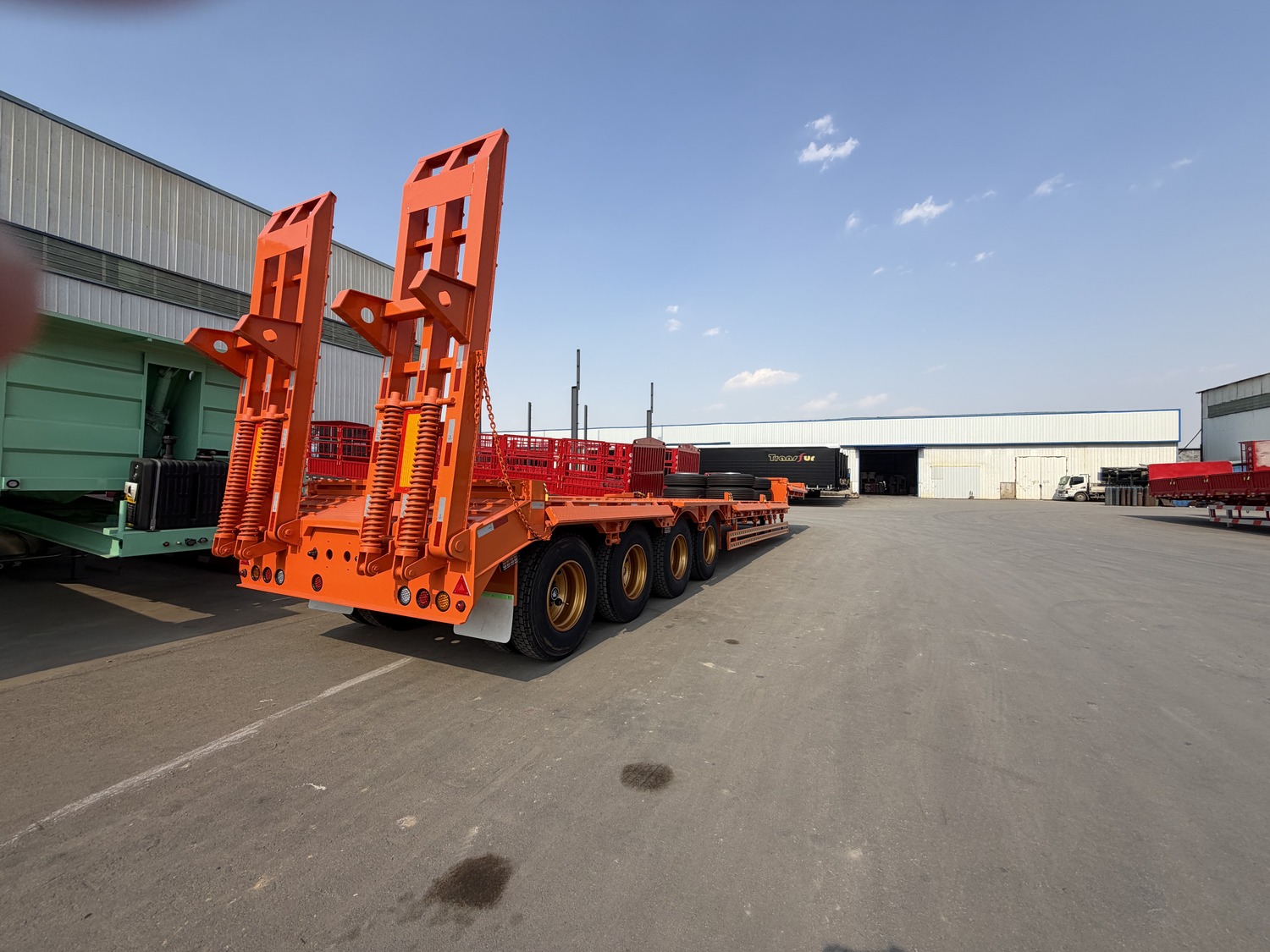
The customers also examined a model with reverse-folding ramps. These ramps create a rear approach between the ground and platform and fold into their transport arrangement when not in use. Their relevance is the loading path at the rear, which differs from opening the front by detaching the gooseneck.
A ramp is not an isolated accessory. Its angle, position and connection to the deck affect the transition between ground level and the cargo platform. For the same vertical rise, a longer approach produces a shallower slope, while the change in angle at the deck affects underbody clearance.
The ramps support the machine during a temporary loading condition. Weight passes through the ramp surfaces, hinges and supporting structure before the machine settles onto the main deck. That condition can place a different demand on the trailer from the final transport position.
Comparing Two Loading Approaches
The practical comparison is between routes onto the same kind of low equipment platform. Rear ramps provide access from behind the running gear; a detachable front section opens an entrance at the front. The appropriate approach depends on machine geometry and the space available around the trailer.
These options need not be described as a universal ranking. A machine with suitable clearance and running surfaces may use an appropriate ramp arrangement effectively, while another machine may benefit from front access. The customers' interest in detachable-gooseneck models arose within that equipment-transport discussion.
Once loaded, both arrangements still depend on the machine's support position. Moving the equipment along the platform changes the reactions at the tractor connection and trailer running gear. A low loading entrance helps with access, while a suitable final position governs how the load is carried.
Keeping the Proposal Connected to the Machinery
The Vietnam visit brought together a clear application and several relevant design features. The low platform addressed equipment height, the detachable neck changed front access, the reverse-folding ramps offered a rear approach and the separable deck introduced an export-configuration consideration. Each feature answered a different part of the intended use.
The next technical discussion would bring those interests into a final order proposal. The value of the visit was that the customers could reconsider their starting configuration around actual loading and transport functions. The case remains grounded in that decision process, without turning a comparison into a completed purchase or operating result.
Frequently Asked Questions
What does a detachable gooseneck add to a lowbed?
It opens a front-loading approach when separated from the deck. This can suit machinery whose clearance or loading geometry benefits from a low entrance.
Is a separable deck necessarily an extendable deck?
No. Separation concerns the designed division between structural sections. Extension is a different function and belongs only to a configuration designed for it.
What is the role of reverse-folding ramps?
They provide a rear loading approach and fold into their transport arrangement. Their slope, support and deck transition affect how machinery enters the platform.
Discuss Your Trailer Application
Share your cargo or equipment details, transport route and destination market with HUAYUE for a configuration discussion tailored to the intended application.
Interested in this case?
Contact Us for a Technical Consultation.