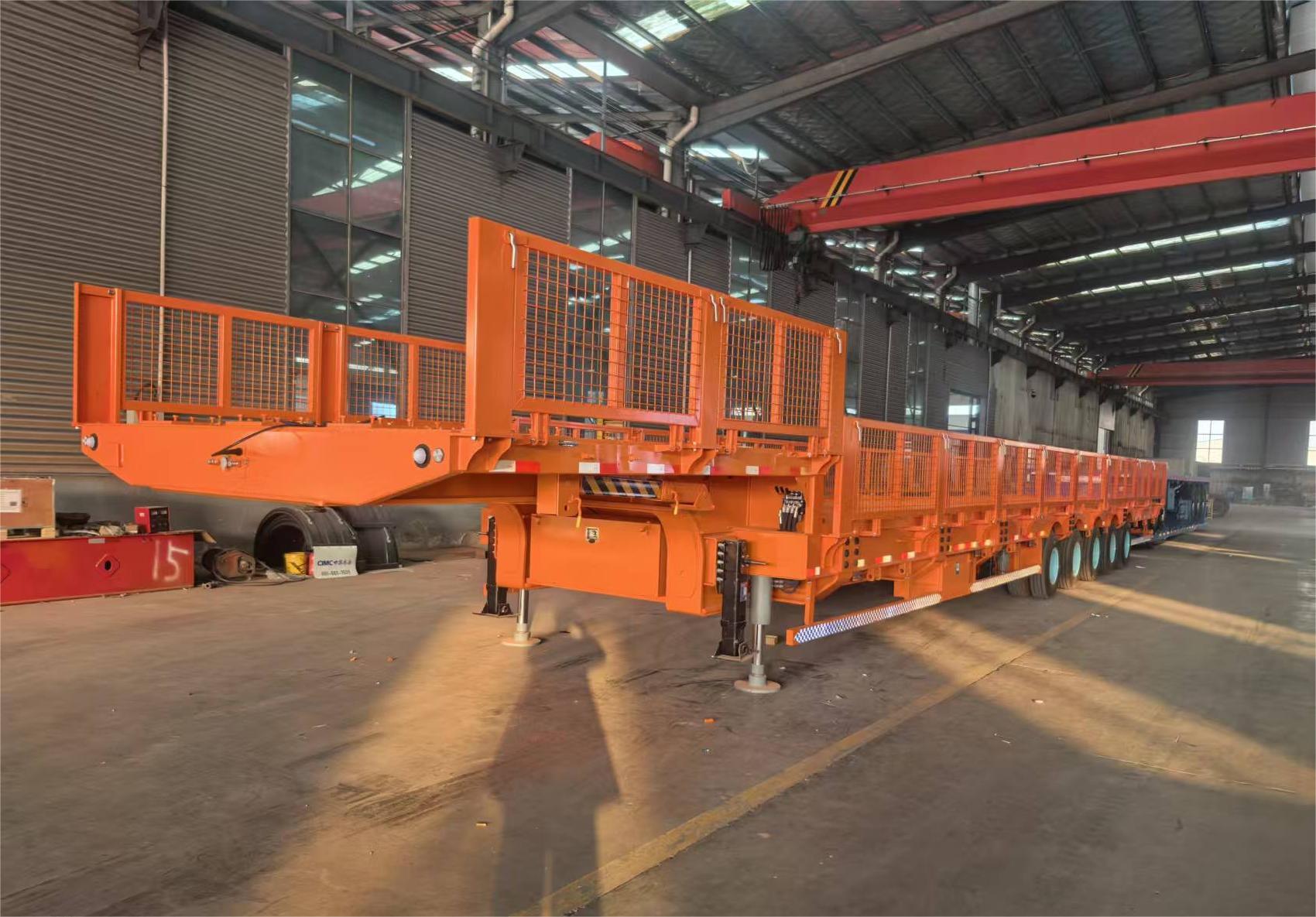
A Singapore heavy-haul operator looking for modular axle trailers came to HUAYUE with an important condition: the new equipment needed to work with the fleet's existing units. The business transports heavy equipment, including transformers, and already owns five-axle-line and three-axle-line modules. Expanding that fleet meant addressing the connections between equipment from different manufacturers.
The visit centred on a practical investment concern. Existing modules represent equipment the business already owns and understands, while additional units must serve the next stage of its transport work. A workable adaptation could allow new purchasing to build on those assets, instead of leaving the older equipment outside the proposed combination.
Keeping Existing Modules in the Transport Plan
The customer's purchasing interest comprised two two-axle-line modules, one power gooseneck and a 12-metre connecting platform. These items formed the proposed expansion package discussed during the visit. The two smaller modules were being considered alongside the existing five-line and three-line units, making the interface between old and new equipment central to the project.
An axle-line count describes part of a modular arrangement; it does not by itself make two manufacturers' equipment interchangeable. The connecting platform and gooseneck also belong to the intended transport configuration. In this case, selecting new components and addressing their connection to the existing fleet were parts of the same purchasing decision.
The 12-metre platform gave the conversation a concrete working-deck requirement. Its length was part of the customer's intended equipment package, alongside the additional axle modules and power gooseneck. That kept attention on a transport arrangement for heavy equipment, with the retained units included from the outset.
Singapore Modular Axle Trailer Compatibility
The principal obstacle was the connection geometry. The customer's existing modules came from another brand, and differences in connector dimensions and manufacturing tolerances meant a direct connection could not be assumed. Having modular equipment on both sides of the joint did not remove the need to address the actual mating interfaces.
HUAYUE proposed sending technical personnel to Singapore to measure the connectors on the customer's existing equipment. Those measurements would then form the basis for custom machining of the corresponding connections. The proposed approach started with the fleet's actual modules, giving the adaptation work a physical reference instead of relying on a nominal description.
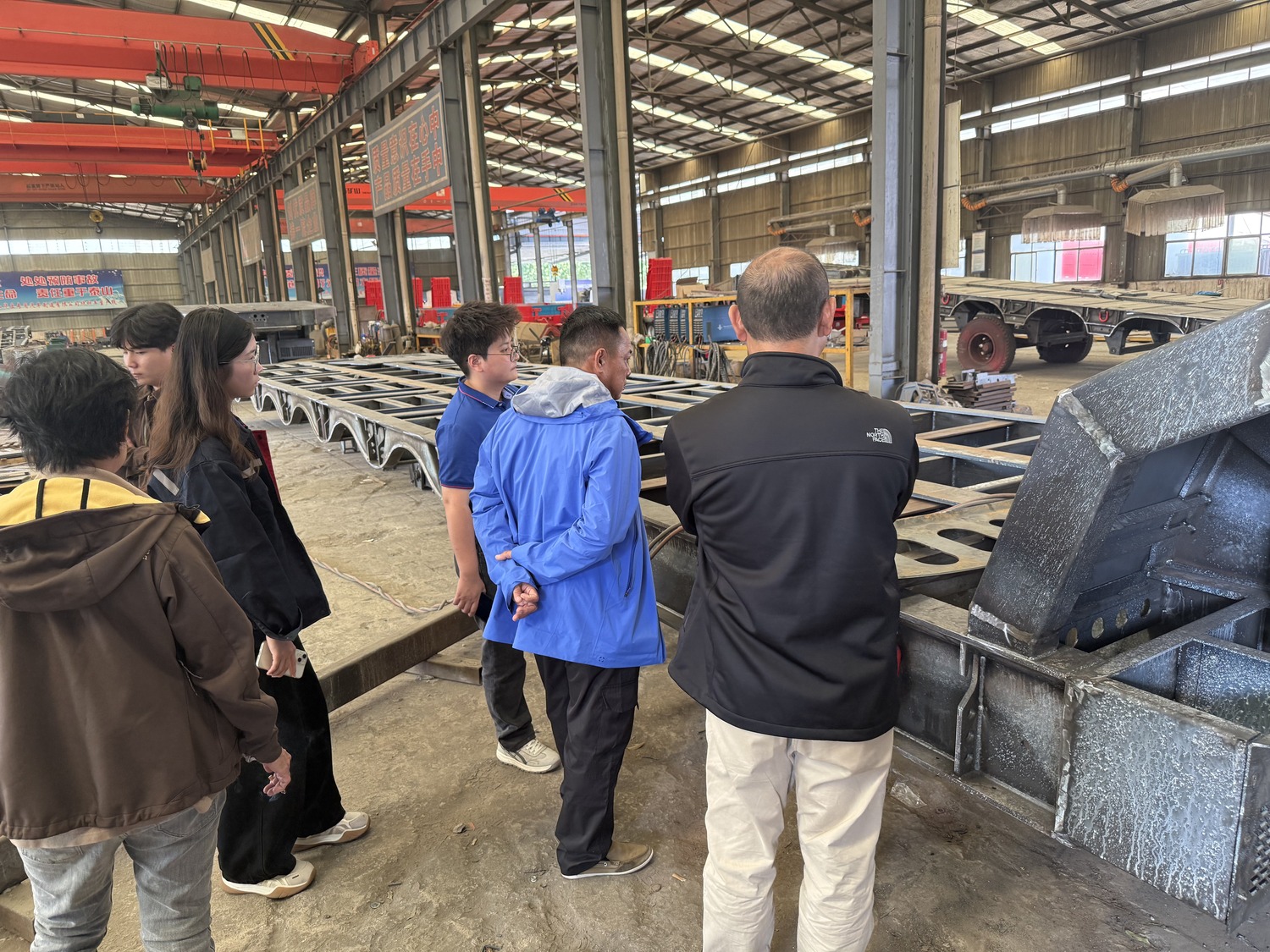
The engineering conversation concentrated on how the additional equipment could connect with what the customer already owned. The team discussed the adaptation approach and answered the customer's technical questions during the factory visit. This moved the purchasing conversation beyond individual component prices to the compatibility work required for the intended combination.
The proposal was to develop the new interfaces around measurements taken in Singapore. That sequence matters because the old modules are the equipment the new connections must meet. It ties the custom work to this particular fleet, rather than treating cross-brand compatibility as a standard feature shared by every modular trailer.
Purchase Price Was Only Part of the Concern
The customer described two frustrations with an earlier purchase: a price considered high and support that did not meet expectations after delivery. The account included a lack of operating training and slow handling of service issues. These experiences influenced the search for another supplier, alongside the requirement to connect new modules to existing ones.
For a business moving transformers and other heavy equipment, the purchasing relationship continues when equipment enters use. The customer's experience made operating guidance and access to technical assistance important subjects in the supplier conversation. A quotation addressed acquisition cost, while the compatibility proposal addressed how the new purchase would fit the equipment already in the yard.
The investment objective was therefore broader than obtaining additional axle lines. The customer wanted a more satisfactory purchasing and support relationship while preserving the usefulness of the existing modules. The proposed measurement and adaptation work responded to the part of that objective directly linked to equipment integration.
A Practical Visit with Commercial and Technical Input
The customer team brought two complementary responsibilities to HUAYUE. One partner handled commercial matters, government approvals and local relationships; the other had specialist knowledge of modular axle equipment. Their joint involvement connected the business decision with a detailed technical conversation about the existing fleet and intended additions.
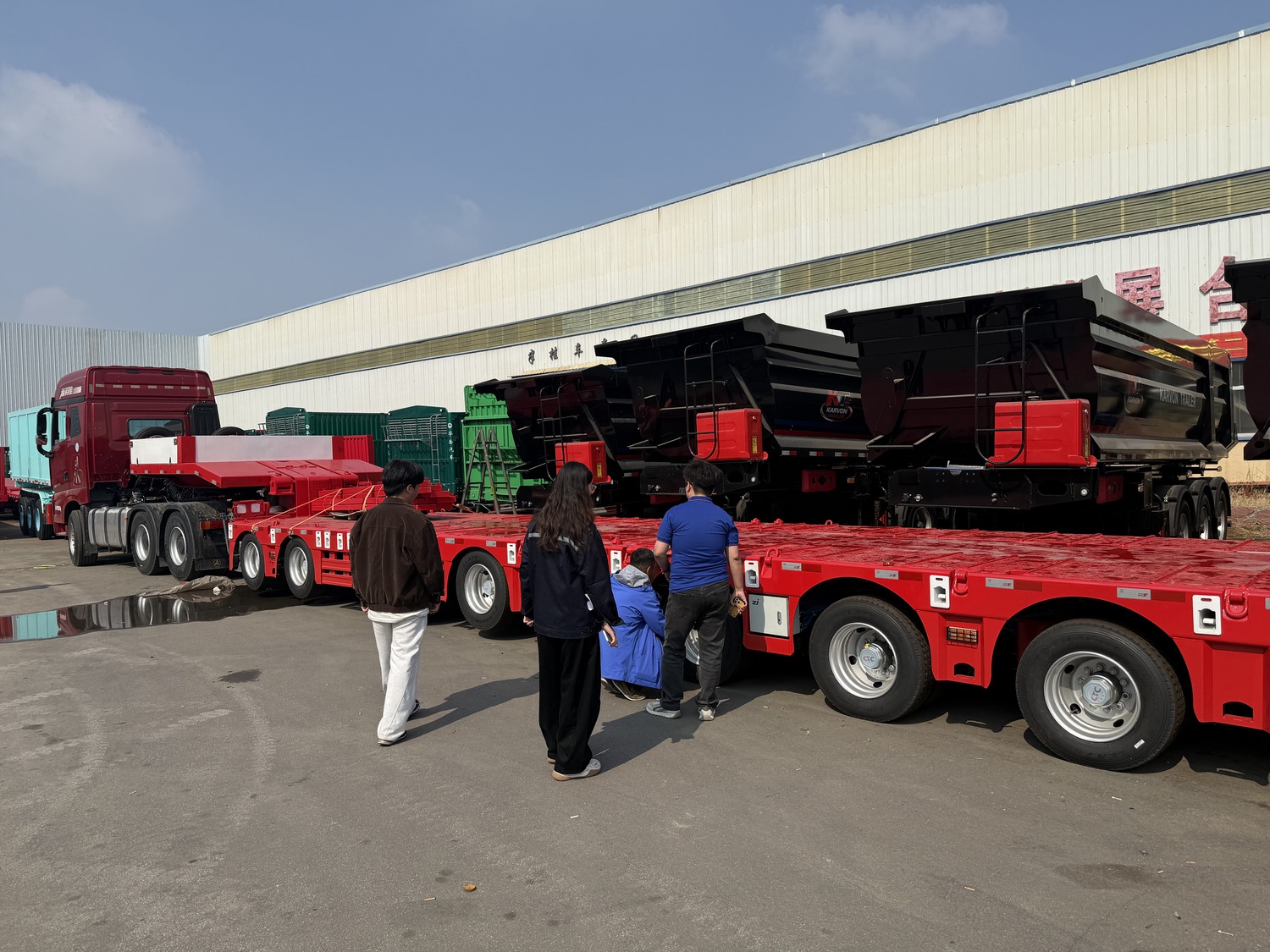
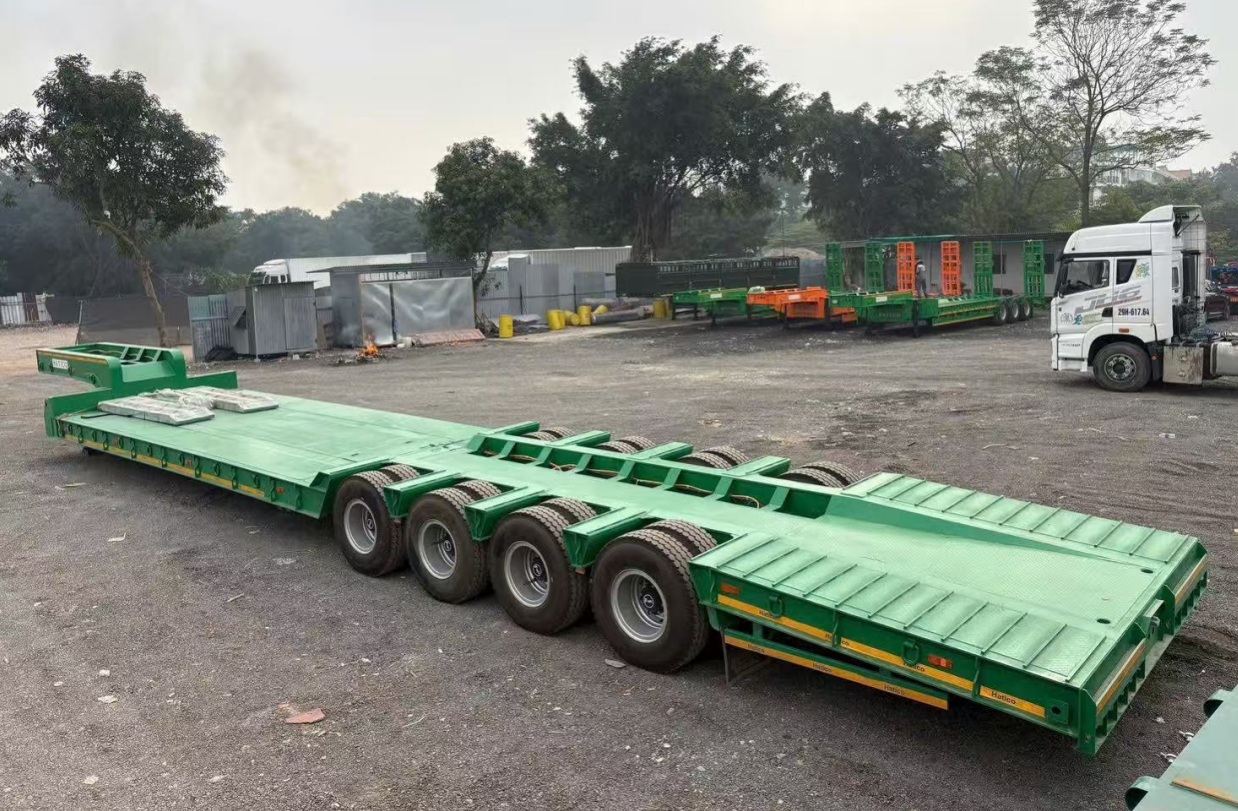
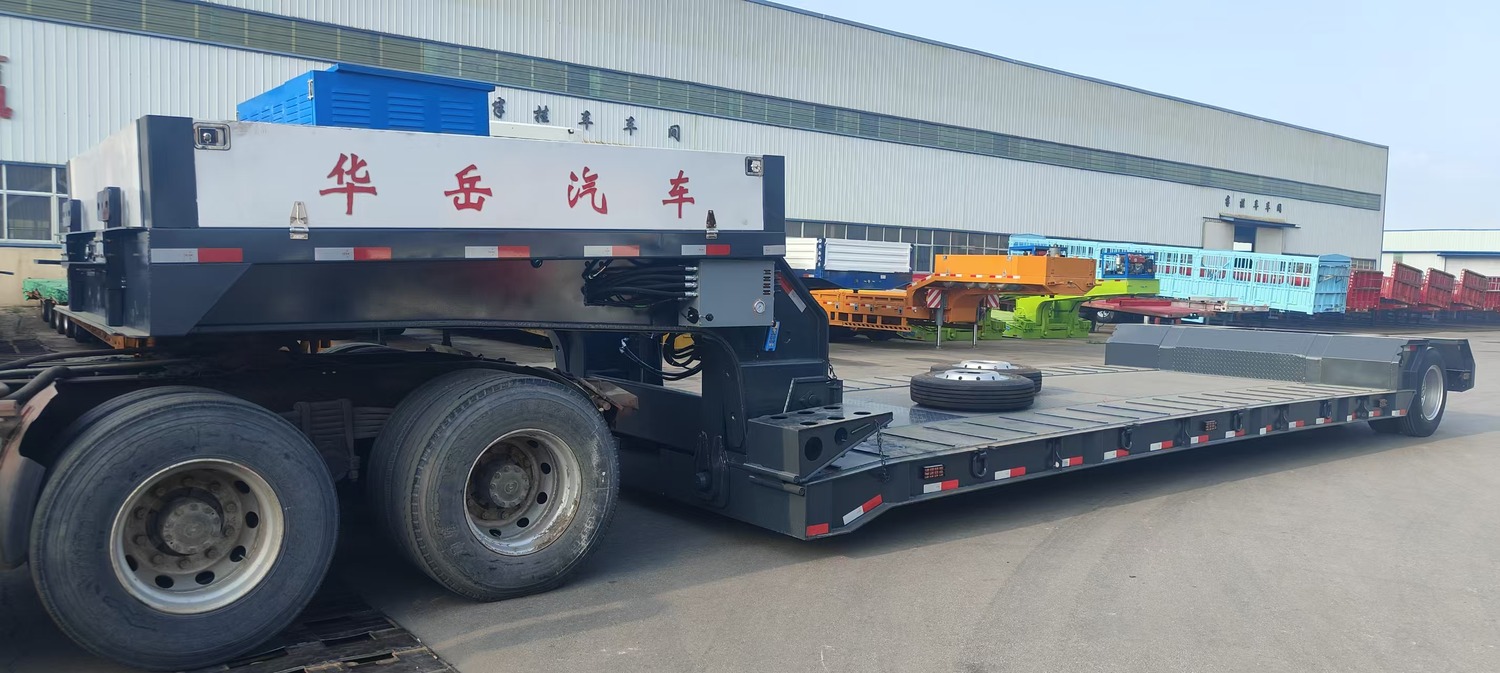
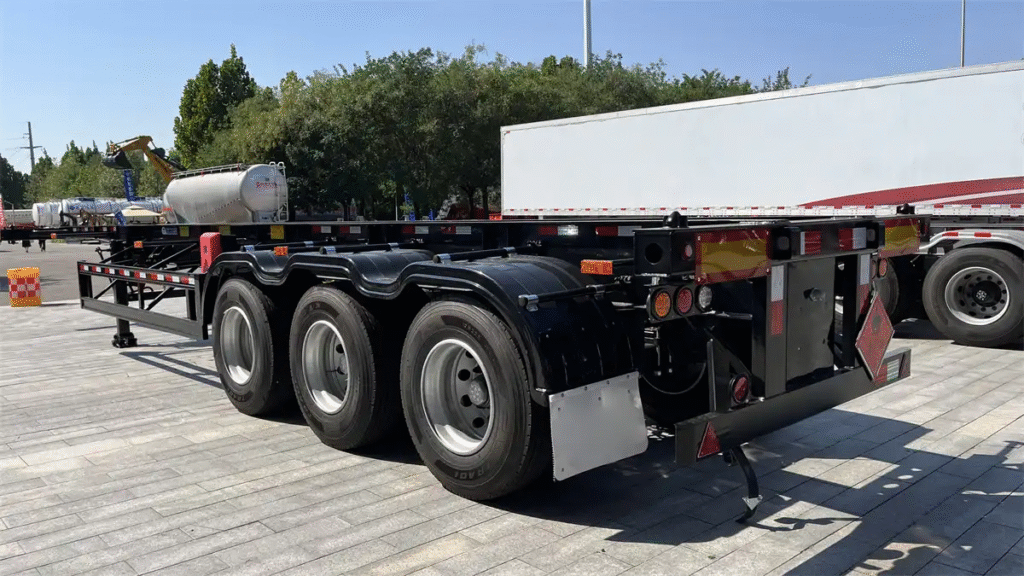
The visit included close examination of trailers in the yard and exposed frames in the workshop. The programme was direct and practical, with vehicle inspection and technical questions taking priority. Those activities gave the visitors time around physical equipment while the team worked through the proposed cross-brand adaptation.
The purchasing interest remained focused on the two two-line modules, power gooseneck and 12-metre platform. The useful outcome of the visit was a defined adaptation approach tied to the customer's retained equipment. It gave the proposed fleet expansion a concrete engineering starting point: measuring the existing interfaces and developing the corresponding custom connections.
Frequently Asked Questions
Are modular axle trailers from different brands directly interchangeable?
Connector dimensions and manufacturing tolerances can differ. In this Singapore project, compatibility required a tailored connection approach for the existing and proposed equipment.
Why measure the existing modules in Singapore?
The proposed visit would establish the actual connector dimensions on the customer's modules. HUAYUE would use those measurements as the basis for custom connection machining.
How does the proposal address the fleet's existing investment?
The adaptation is intended to connect new HUAYUE equipment with the existing five-line and three-line modules. Reusing those assets is central to the proposed expansion.
Discuss Your Trailer Application
Share your cargo or equipment details, transport route and destination market with HUAYUE for a configuration discussion tailored to the intended application.
Interested in this case?
Contact Us for a Technical Consultation.