A larger transport contract can turn fleet expansion into an engineering decision long before the first load moves. Additional axle lines must fit the intended combination, and the people operating it need the connected equipment to function together. HUAYUE's 9-axle hydraulic modular trailer, equipped with a power gooseneck, brings that relationship between a complete vehicle and future module expansion into focus.
This red special transport vehicle is being prepared for delivery. Its nine-axle arrangement and power gooseneck provide a concrete starting point for explaining HUAYUE's work with complete hydraulic axle transporters and additional modules. The central issue is operational compatibility: mechanical connections, hydraulic circuits, and electrical and control systems all matter.
A 9-Axle Hydraulic Modular Trailer with Power Gooseneck
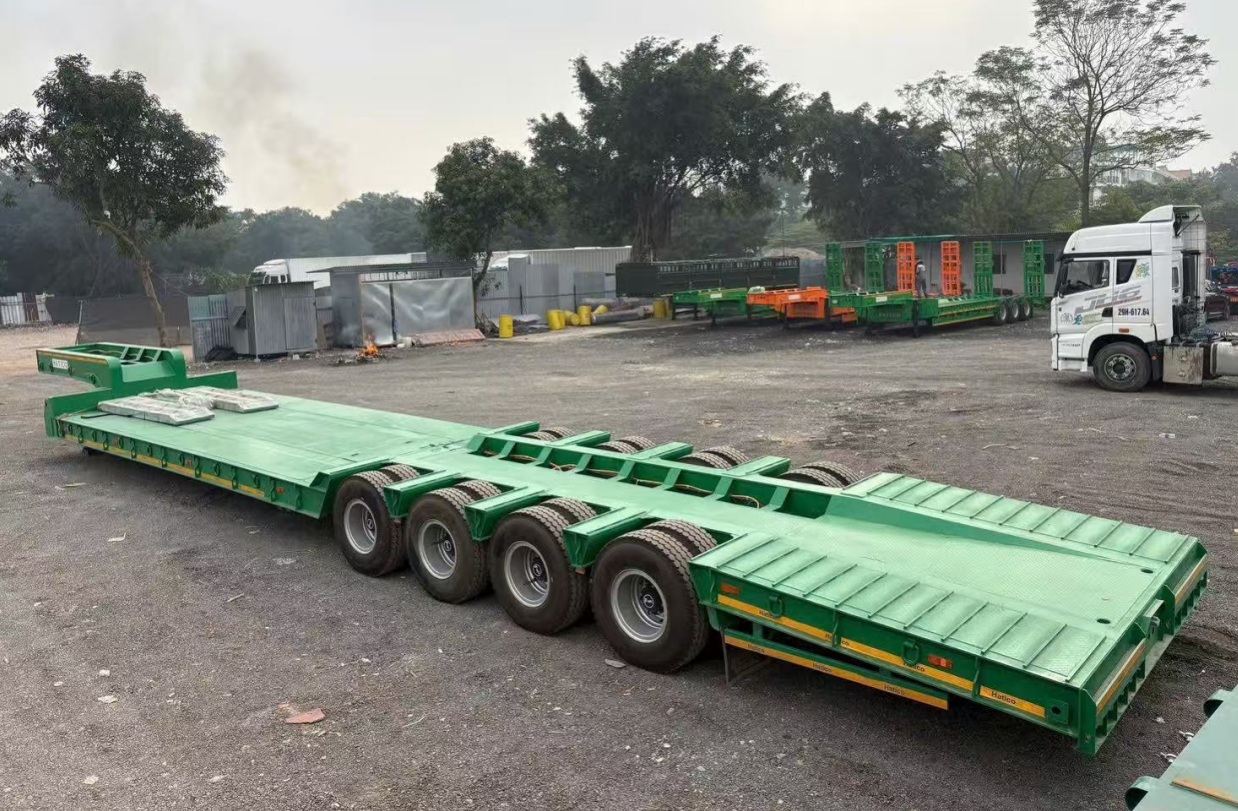
The featured vehicle combines a long modular carrying structure with nine axle lines and a power gooseneck at the tractor end. The front connection forms part of the transport arrangement, alongside the carrying modules behind it. Specifying this kind of vehicle involves the towing interface as well as the equipment supporting the cargo.
A power gooseneck does not make a transporter self-propelled. This vehicle is coupled to a tractor, while hydraulic power and vehicle propulsion serve different purposes. That distinction matters when a transport business compares an entire tractor-and-trailer arrangement with equipment intended for other operating modes.
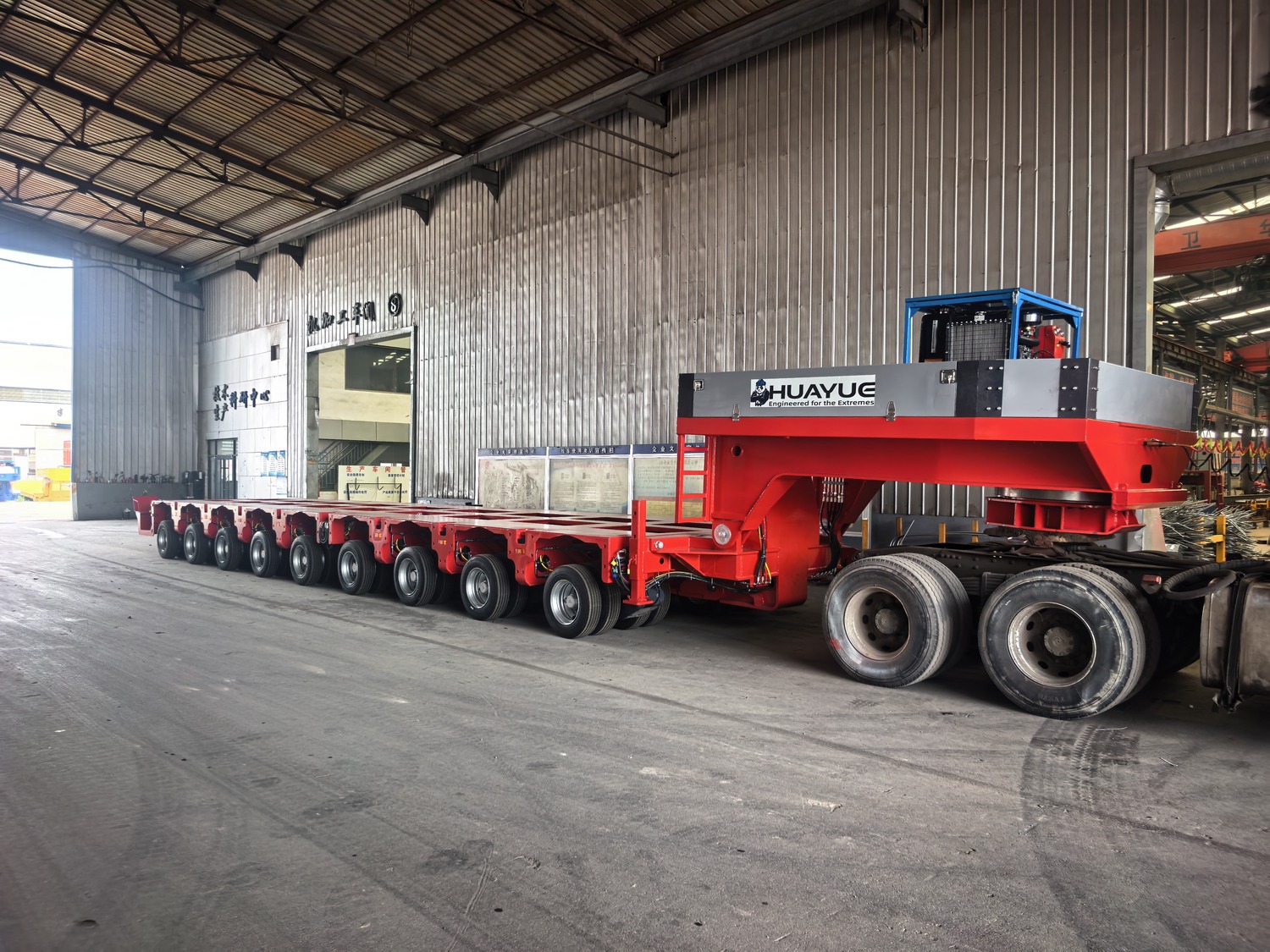
The nine axle lines describe the featured configuration, rather than a universal answer to every heavy transport job. Cargo support positions, the tractor interface and the intended operating arrangement remain connected engineering considerations. Buying a complete vehicle gives these elements a common starting point; adding modules later introduces interfaces with equipment already in service.
Mechanical Fit Is the First Layer
A coupling pin entering its hole establishes only one aspect of a module connection. The mating faces, alignment and connecting geometry also form part of the mechanical interface. The joint has a structural role, so a connection that can be assembled is not automatically a suitable working combination.
That difference becomes commercially important when a business adds axle lines to equipment it already owns. The new module becomes part of the transport structure, rather than remaining a separate item on a purchase list. HUAYUE undertakes module and axle-line expansion work with the connecting interfaces included in the engineering scope.
The same principle applies when a new gooseneck or another connecting component enters the arrangement. Each interface belongs to the assembled vehicle that will carry the load. Dimensional matching is therefore a necessary part of integration, while the hydraulic and control connections determine additional aspects of operation.
Hydraulic Circuits Must Serve the Intended Functions
Hydraulic connections carry working fluid between components, and their suitability involves more than whether a hose coupling closes. Pressure and flow requirements belong to hydraulic component selection, alongside the purpose of each connected circuit. A physical connection and a correctly functioning hydraulic arrangement answer different questions.
On a modular transporter, adding equipment means considering how its hydraulic functions relate to the existing arrangement. Circuit routing and the functions served by those circuits must correspond across the connection. A matching connector cannot substitute for that functional relationship, particularly when equipment from different configurations is brought together.
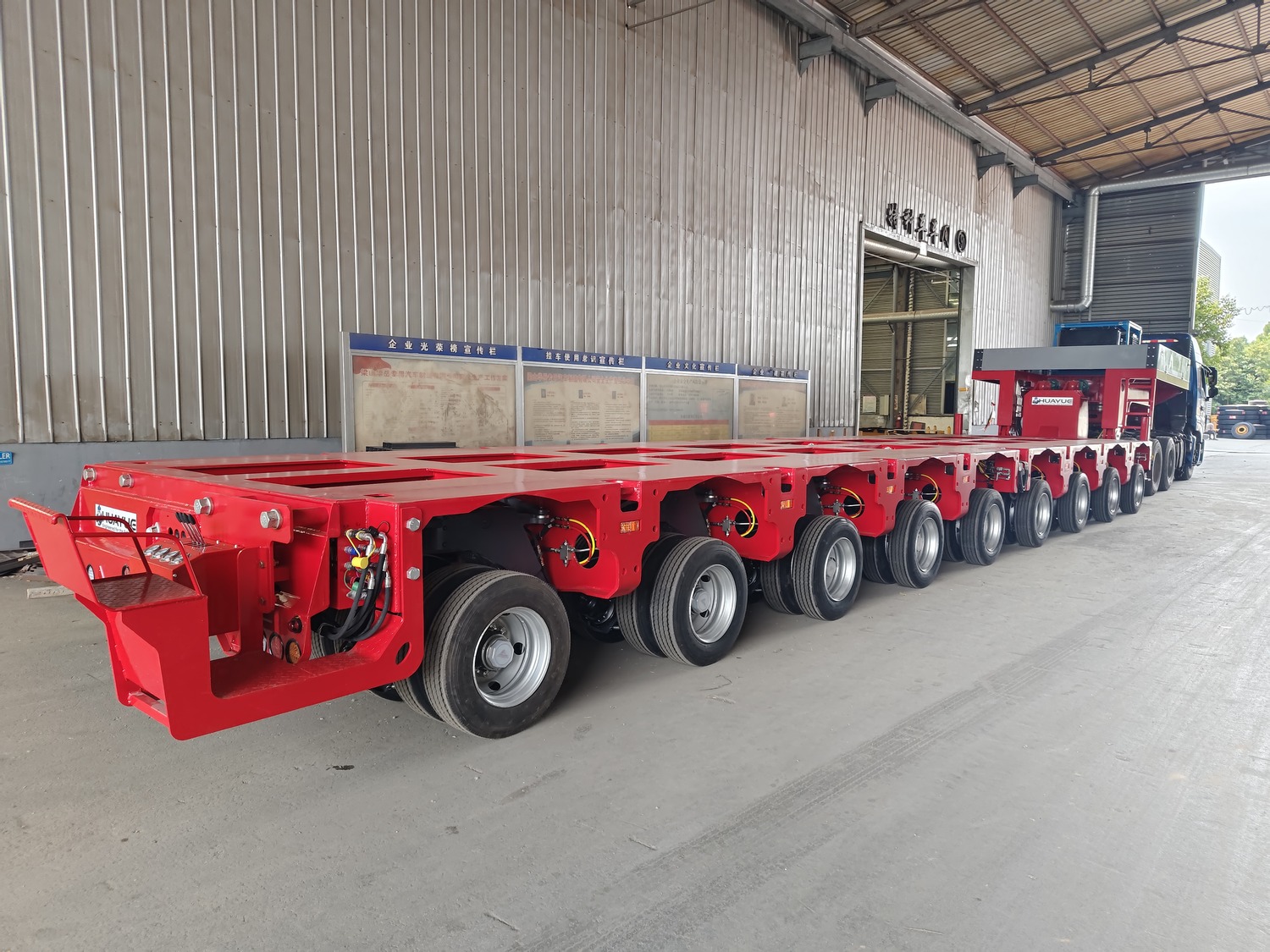
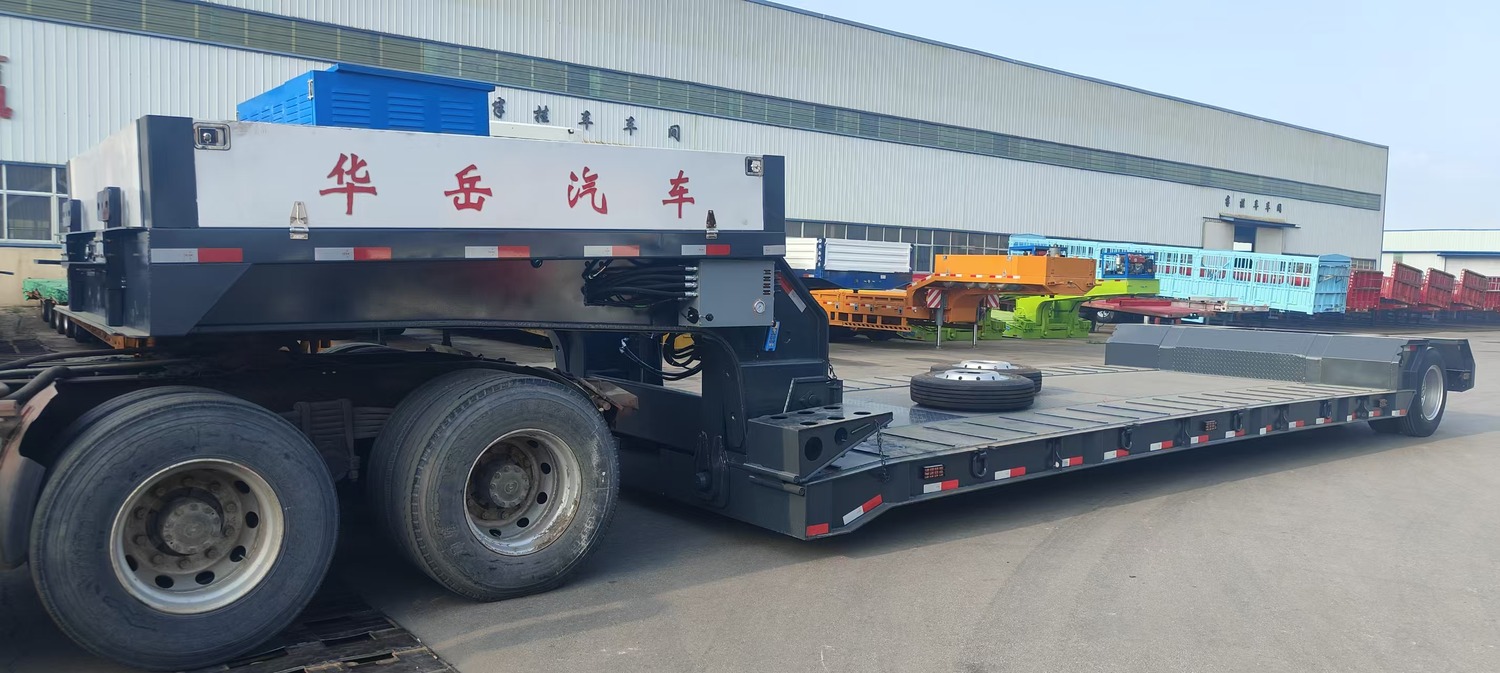
The featured transporter has accessible hoses and fittings alongside the axle structure, making the connection areas relevant to its operating layout. These are working interfaces between components, alongside the structural joints above them. In an expansion project, the hydraulic arrangement belongs in the same engineering scope as the new module's physical connection.
Electrical Connections and Controls Complete the Match
Electrical and control compatibility adds a further layer to module integration. A connected plug does not by itself establish that the equipment shares the intended control functions. The connection must support the required relationship between an operator's input and the function being commanded.
This is why module expansion cannot be reduced to a coupling adapter alone. A mechanically connected unit still needs its relevant hydraulic, electrical and control interfaces matched to the combination. HUAYUE addresses these areas as part of hydraulic axle transporter projects, including new equipment and additions to existing arrangements.
Complete Vehicle or Additional Modules?
A complete transporter purchase and an axle-line expansion begin with different equipment situations. A new vehicle brings a configuration together from the outset; an expansion must also accommodate the interfaces of retained equipment. Both routes can serve a transport business, but they involve different integration work.
HUAYUE accepts enquiries for complete hydraulic axle transport vehicles, additional modules and additional axle lines. The featured nine-axle vehicle with power gooseneck represents the complete-vehicle side of that work. Expansion projects place the existing fleet at the centre of the connection design, making the equipment already owned part of the technical starting point.
The business value lies in obtaining a usable transport arrangement rather than simply accumulating more axle lines. Structural fit, hydraulic function and control compatibility determine how the additions belong together. Treating those interfaces as one engineering task connects the purchasing decision with the way the assembled equipment will be operated.
Frequently Asked Questions
Does the power gooseneck mean the transporter drives itself?
No. The featured nine-axle transporter is tractor-coupled. The tractor supplies the towing force, while the power equipment serves hydraulic functions.
Why is a matching coupling pin insufficient for module expansion?
The mechanical interface also involves alignment and connecting geometry. Hydraulic circuits and electrical and control interfaces must match the intended working combination as well.
Can HUAYUE supply additions to an existing hydraulic axle fleet?
HUAYUE undertakes additional-module and axle-line projects as well as complete vehicles. Integration addresses the retained equipment's mechanical, hydraulic, electrical and control interfaces.
Discuss Your Trailer Application
Share your cargo or equipment details, transport route and destination market with HUAYUE for a configuration discussion tailored to the intended application.
Interested in this case?
Contact Us for a Technical Consultation.